
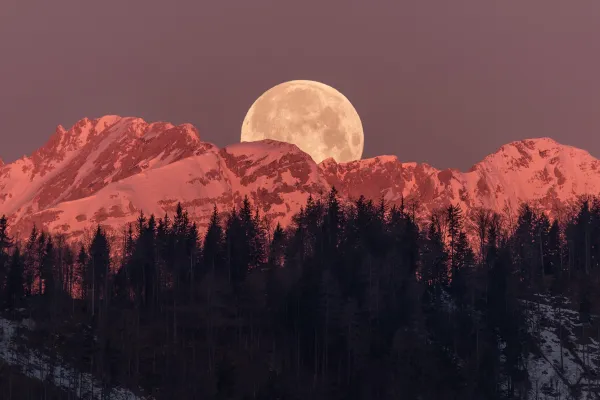
The Moon has fascinated humanity for thousands of years, serving as a guide for navigation, a symbol in mythology, and an endless source of artistic inspiration. In recent years, it has also become a favorite subject for travelers and photographers. With the rise of astrotourism and social media, capturing the perfect moonrise or moonset has …

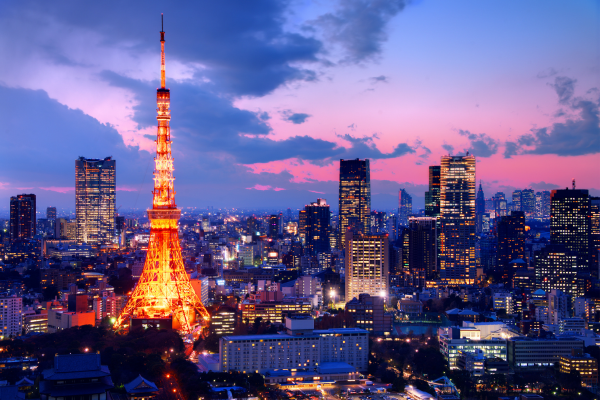
When most people think about stargazing, they imagine remote deserts, isolated mountains, or islands far from civilization—places where darkness reigns and the Milky Way stretches vividly across the horizon. Cities, on the other hand, are usually associated with light pollution, glowing skylines, and skies that reveal only the brightest stars. Yet a growing movement known …
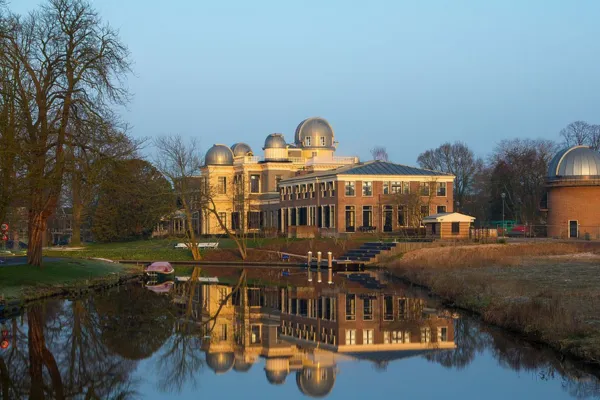
Europe has always been at the heart of humanity’s exploration of the skies. From the Renaissance, when scholars began to question ancient models of the cosmos, to the scientific revolutions of the 17th and 18th centuries, observatories played a vital role in advancing our knowledge of the universe. These historic sites were not just buildings …
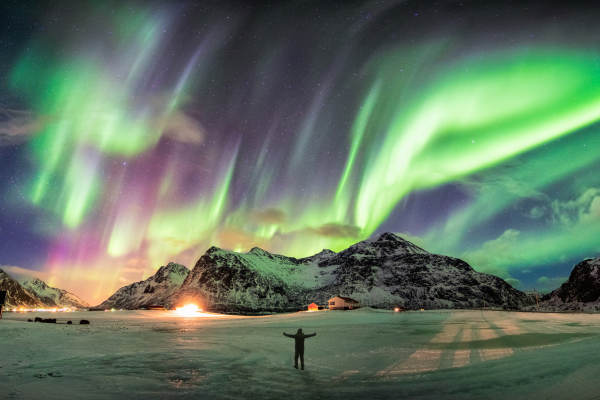
Astrotourism is the pursuit of the darkest skies and the most breathtaking celestial shows on Earth, and in Iceland this experience reaches its peak. The country’s northern latitude, combined with vast stretches of untouched wilderness and minimal light pollution, turns the island into one of the best places in the world to witness the Northern …
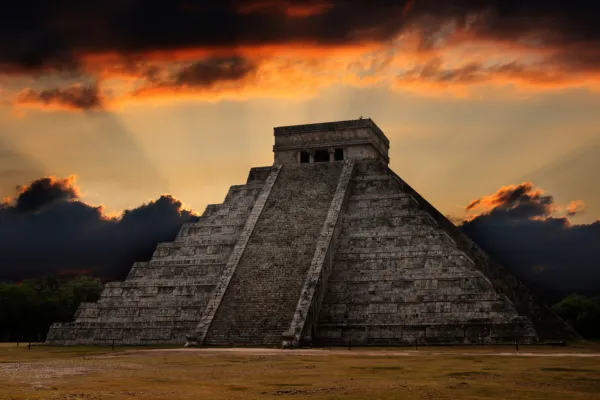
Since the dawn of civilization, humanity has turned to the night sky for guidance, inspiration, and meaning. The stars were more than distant points of light—they were tools for survival, symbols of power, and windows into the divine. For ancient peoples, the heavens offered a way to measure time, plan harvests, navigate landscapes, and interpret …
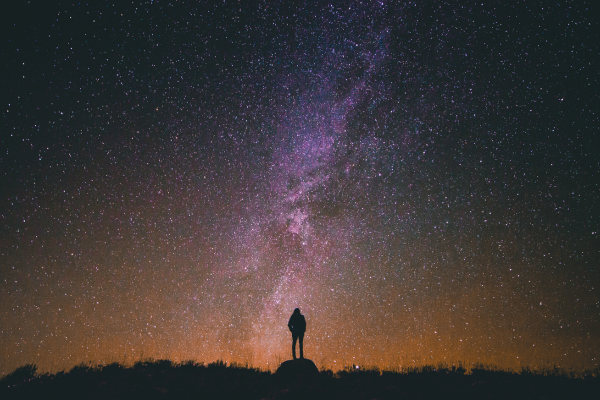
Astrotourism has quickly become one of the most fascinating forms of travel, inviting people to explore not only new landscapes but also the wonders of the night sky. South America, with its vast deserts, towering mountains, and remote wilderness areas, offers some of the clearest and darkest skies on Earth. From the high-altitude Andes to …
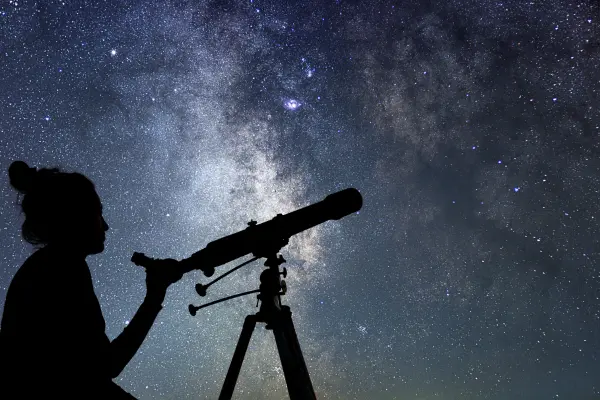
Astrotourism has become one of the most fascinating ways to travel, inviting people to look beyond landscapes and monuments to discover the infinite beauty of the night sky. For many travelers, the appeal lies in escaping the glow of modern cities and reconnecting with the stars as our ancestors once did. While deserts and mountains …
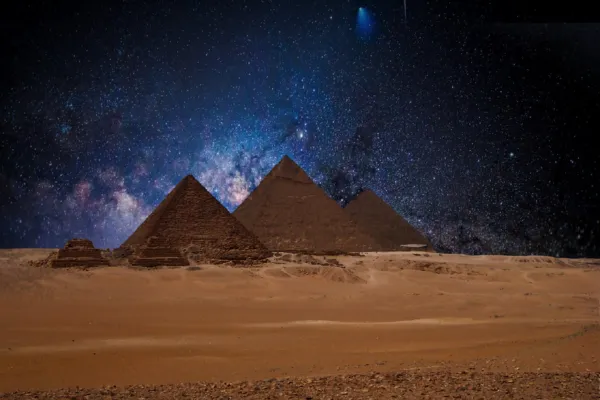
In recent years, astrotourism has emerged as one of the most captivating forms of cultural travel. While many travelers are drawn to the night sky for its scientific and natural beauty, there is also a powerful spiritual dimension to this experience. For millennia, people across the world have looked upward and found not only constellations …

Across time and cultures, the night sky has always been more than a silent backdrop of stars. It has been a source of wonder, a map for travelers, a calendar for farmers, and a canvas for myths and dreams. Civilizations around the world have celebrated the beauty and mystery of the heavens through festivals that …
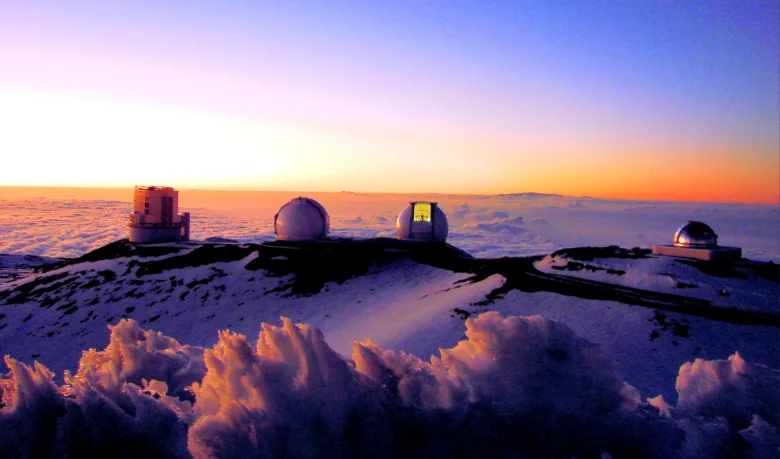
For centuries, human beings have looked up at the night sky with awe, curiosity, and wonder. From ancient civilizations charting the stars to modern astronomers uncovering the secrets of distant galaxies, the cosmos has always been a source of inspiration. Today, this fascination has given rise to astrotourism, a growing trend where travelers seek out …