Astrotourism has become one of the most fascinating ways to travel, inviting people to look beyond landscapes and monuments to discover the infinite beauty of the night sky. For many travelers, the appeal lies in escaping the glow of modern cities and reconnecting with the stars as our ancestors once did. While deserts and mountains are often celebrated as ideal stargazing locations, there is another category of destination that offers equally, if not more, extraordinary conditions: remote islands.
Remote islands represent some of the darkest and clearest skies on the planet. Far removed from urban sprawl and artificial lights, they provide natural observatories where constellations, planets, and even distant galaxies shine with astonishing clarity. The surrounding oceans act as a buffer against light pollution, ensuring that the skies remain untouched and pristine. For stargazers and astrophotographers alike, these islands offer an unparalleled chance to witness the universe in its raw, unspoiled brilliance.
But the appeal of remote islands is not just scientific—it is also deeply emotional and adventurous. Traveling to places like Easter Island, the Canary Islands, or St. Helena is often a journey in itself, involving long flights, boat rides, and a willingness to leave behind the familiar. This effort enhances the experience, making each night under the stars feel like a reward for reaching Earth’s hidden corners. On these islands, the silence of the ocean, the remoteness of the landscape, and the brilliance of the sky combine to create moments of profound wonder.
In this article, we will explore the best remote islands for astrotourism, highlighting destinations where cosmic beauty meets isolation. From volcanic peaks rising out of the sea to windswept cliffs under auroral skies, these islands invite adventurers to pair earthly exploration with celestial discovery. Here, under the darkest skies on Earth, the universe is not just observed—it is truly experienced.
Why Remote Islands Offer the Darkest Skies
One of the greatest challenges for stargazing today is light pollution. In cities, only the brightest stars are visible, and even in rural areas, artificial light can obscure much of the night sky. Remote islands, however, stand apart as natural sanctuaries where darkness reigns and the universe shines in all its brilliance.
The first reason is isolation. Remote islands are surrounded by vast oceans that act as protective barriers against the glow of urban centers. With no large cities nearby, skies remain free of the intrusive glow that drowns out faint celestial objects elsewhere. This isolation ensures that constellations, nebulae, and even the hazy arc of the Milky Way are visible with the naked eye.
Second, many of these islands benefit from geographic advantages. Elevated volcanic peaks, minimal atmospheric moisture, and stable climates all contribute to exceptional clarity. High-altitude observatories on islands such as La Palma or Hawaii’s Big Island take full advantage of these conditions, offering some of the sharpest views of the universe available from Earth.
Third, remote islands often have cultural and historical ties to astronomy. For centuries, island communities used the stars for navigation, agriculture, and storytelling. Observing the same skies today connects modern travelers with ancient traditions, adding depth to the experience.
Finally, there is the emotional impact of isolation. Standing on a small piece of land surrounded by endless ocean, with nothing but the stars overhead, creates a profound sense of scale. The sky seems larger, closer, and more alive. For many, this combination of natural conditions and emotional resonance makes remote islands the ultimate destinations for astrotourism.
Top Remote Islands for Astrotourism
Several remote islands around the world stand out as premier destinations for stargazing, offering the perfect blend of natural darkness, accessibility, and cultural richness.
La Palma (Canary Islands, Spain) is perhaps the most famous. Designated a Starlight Reserve, it is home to the Roque de los Muchachos Observatory, one of the world’s leading astronomical facilities. With strict light-pollution laws and high-altitude observation points, La Palma provides skies so clear that professional astronomers and amateur stargazers flock here year-round.
Easter Island (Chile), located in the South Pacific, offers a unique combination of stargazing and cultural heritage. Famous for its mysterious Moai statues, the island also boasts some of the darkest skies in the Southern Hemisphere. Visitors can experience breathtaking views of the Milky Way while surrounded by one of the most remote and enigmatic landscapes on Earth.
The Faroe Islands (Denmark), set in the North Atlantic, provide rugged scenery and minimal artificial light. While weather can be unpredictable, on clear nights the stars appear dazzling, and during winter, visitors may even catch the Northern Lights.
St. Helena, a small island in the South Atlantic, offers isolation at its finest. With no major urban centers, its skies are pure and untouched. Combined with its historical significance—once the exile home of Napoleon—it provides a unique mix of history and astronomy.
Finally, Hawaii’s Big Island (USA) is world-renowned for Mauna Kea Observatory. Rising nearly 4,200 meters above sea level, it offers some of the sharpest astronomical observations possible. For travelers, guided tours to Mauna Kea’s summit provide both scientific insight and awe-inspiring celestial views.
Together, these islands represent the pinnacle of astrotourism, each offering its own unique blend of science, culture, and unspoiled skies.
The Adventure of Reaching Remote Islands
Part of what makes astrotourism on remote islands so memorable is the very journey required to get there. Unlike destinations located near major cities, these islands often demand long flights, ferry rides, or even days of sailing across the ocean. This sense of remoteness adds to the adventure and amplifies the reward once travelers finally stand beneath some of the darkest skies on Earth.
Take Easter Island, for example: reaching it requires a multi-hour flight from Santiago, Chile, across vast stretches of the Pacific. Similarly, St. Helena is accessible only by a limited number of flights or by ship, emphasizing its isolation. Even islands that are relatively well connected, such as La Palma or Hawaii’s Big Island, still require travelers to navigate mountainous roads or climb to high-altitude observatories. The journey becomes part of the experience, reminding adventurers that cosmic wonder is not always easy to access—but always worth the effort.
This isolation also fosters a sense of immersion and detachment from daily life. On remote islands, travelers often find themselves disconnected from constant digital distractions. Surrounded by the vastness of the ocean and the silence of unspoiled landscapes, the night sky feels more intimate and powerful. The remoteness intensifies the stargazing experience, making constellations appear brighter and the Milky Way more overwhelming than in familiar settings.
For many, the adventure of reaching these islands is inseparable from the magic of observing the skies. It creates a story to tell: not only of the stars themselves but also of the journey through seas, mountains, and cultures to reach them.
Tips for Stargazing on Remote Islands
Stargazing on remote islands can be life-changing, but preparation is essential to make the most of the experience. The first step is to choose the right time of year. Many islands offer the clearest skies during their dry seasons, when cloud cover is minimal. Aligning your trip with a new moon or times when the moon sets early ensures maximum darkness and visibility of the Milky Way.
Travelers should also check for special celestial events, such as meteor showers, lunar eclipses, or even aurora activity on northern islands like the Faroes. These events add a magical dimension to stargazing and are well worth planning around.
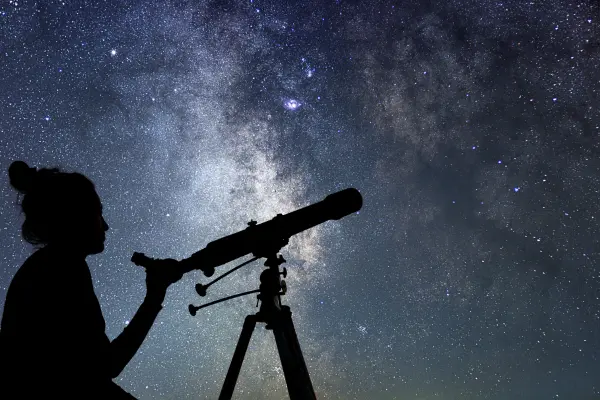
When it comes to gear, beginners don’t need advanced equipment. A pair of binoculars can reveal star clusters and even Jupiter’s moons, while a DSLR or mirrorless camera with a tripod allows for stunning astrophotography. A red-light flashlight is recommended to preserve night vision while navigating dark trails. Warm clothing is also essential—even tropical islands can get surprisingly cold and windy at night, especially at higher elevations.
Booking local guides or observatory tours can greatly enhance the experience. Guides provide not only telescopes and expertise but also cultural context, sharing myths, traditions, and scientific insights that deepen the connection between land and sky.
Finally, travelers should embrace the mindset of patience and awe. Remote islands offer silence and darkness that cannot be rushed. Allow your eyes 20–30 minutes to fully adjust to the night, then enjoy the slow unfolding of constellations and cosmic details. The more stillness you bring to the experience, the more profound the reward will be.
Conclusion
Remote islands offer something that few other destinations can: a pure, unfiltered view of the cosmos. Far from the glow of cities, surrounded by endless oceans, and often perched on volcanic peaks or rugged cliffs, these islands present some of the darkest and most pristine skies on Earth. For astronomers, photographers, and curious travelers alike, they represent the ultimate frontier of astrotourism.
What makes these places so extraordinary is not only the clarity of the skies but also the sense of adventure and isolation that comes with reaching them. Whether it’s the long flight across the Pacific to Easter Island, the winding roads up to La Palma’s observatories, or the rare journey to St. Helena, each destination requires effort. Yet that effort enhances the experience: the journey becomes part of the reward, and the stars feel brighter precisely because they are so hard to reach.
These islands also embody a fusion of science, culture, and nature. On Hawaii’s Big Island, modern observatories share space with indigenous traditions that honor the stars as ancestral guides. On Easter Island, the Moai statues stand silently beneath the Milky Way, reminding visitors that humans have always looked to the sky for meaning. In places like the Faroe Islands, travelers can witness not only constellations but also the Northern Lights dancing across the horizon. Each island tells its own story, blending the universal with the local.
For beginners and seasoned stargazers alike, remote islands are a reminder that the night sky is not just above us—it is part of who we are. To stand on a small piece of land, surrounded by ocean and silence, while the Milky Way glows overhead, is to experience both humility and awe.
✨ Astrotourism on remote islands is more than travel—it is a journey into the deepest darkness and brightest light our planet can offer.