
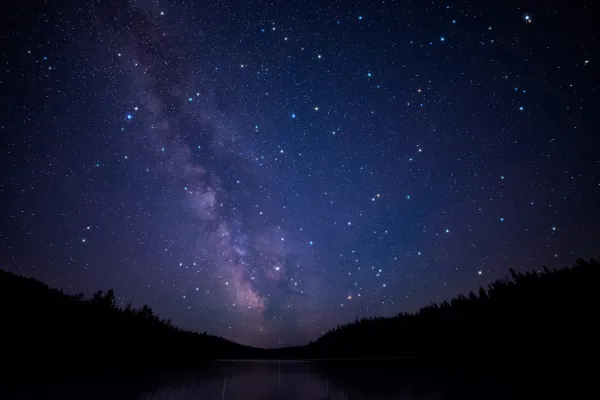
Since the dawn of civilization, human beings have looked up at the night sky in awe, trying to make sense of the twinkling lights scattered across the darkness. For early societies, the stars were not just distant suns or astronomical bodies; they were symbols, messages, and sometimes even divine beings. Cultures across the world created …
For as long as humans have been able to look up at the night sky, stars have been more than points of light. They have been symbols, metaphors, and sources of endless inspiration. In literature and poetry, stars often represent beauty, mystery, eternity, and the search for meaning. They appear as guides for lost travelers, …
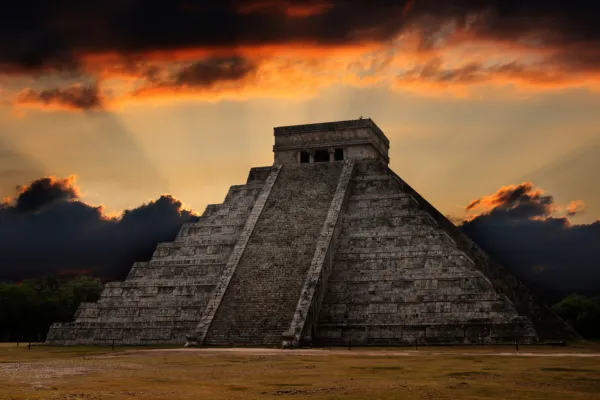
Since the dawn of civilization, humanity has turned to the night sky for guidance, inspiration, and meaning. The stars were more than distant points of light—they were tools for survival, symbols of power, and windows into the divine. For ancient peoples, the heavens offered a way to measure time, plan harvests, navigate landscapes, and interpret …
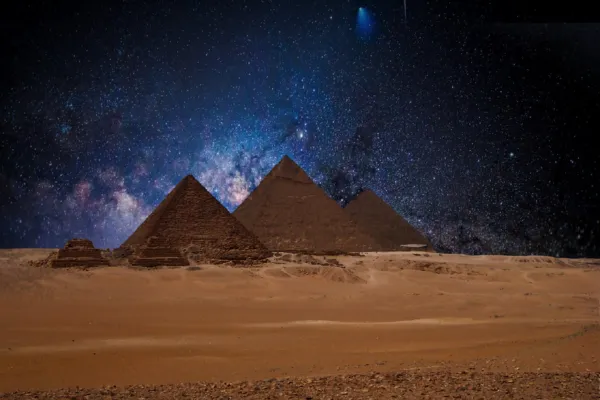
In recent years, astrotourism has emerged as one of the most captivating forms of cultural travel. While many travelers are drawn to the night sky for its scientific and natural beauty, there is also a powerful spiritual dimension to this experience. For millennia, people across the world have looked upward and found not only constellations …

Across time and cultures, the night sky has always been more than a silent backdrop of stars. It has been a source of wonder, a map for travelers, a calendar for farmers, and a canvas for myths and dreams. Civilizations around the world have celebrated the beauty and mystery of the heavens through festivals that …
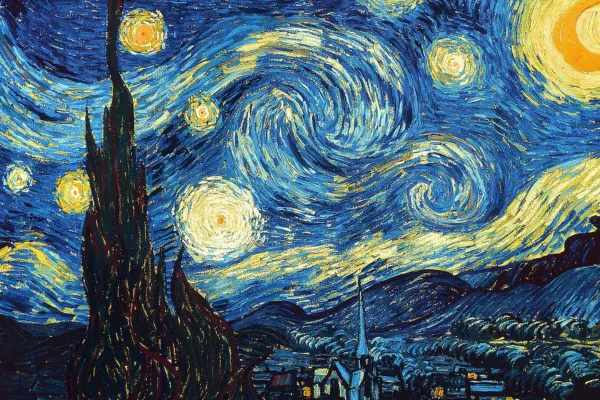
From the moment humans first looked up at the night sky, the universe has been more than a collection of stars and planets. It has been a stage for imagination, a source of mystery, and a mirror for our deepest emotions. The cosmos, vast and unreachable, has always fascinated us precisely because it is both …
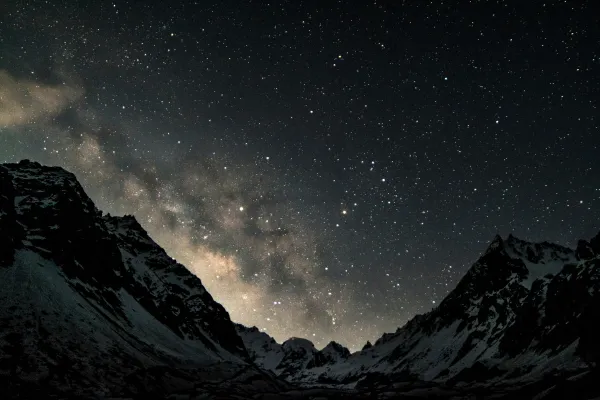
When most people think of constellations, they imagine the twelve signs of the zodiac or the Greek myths that shaped Western astronomy. Yet these familiar patterns represent only one cultural lens through which humanity has interpreted the night sky. Long before telescopes and scientific charts, communities around the world created their own constellations, mapping the …

For as long as human beings have walked the earth, we have looked up at the night sky in awe. The stars, planets, and ever-shifting patterns above us have been a source of wonder, inspiration, and mystery. In ancient times, there was no clear line between what we now call astronomy and astrology. Both were …
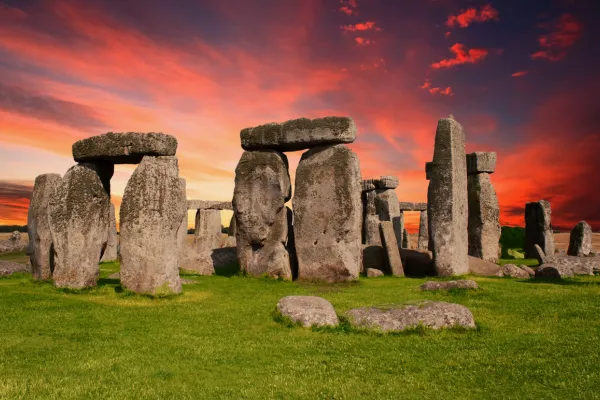
When we think of ancient monuments, we often admire their size, beauty, and durability. Yet many of these structures were not designed only to impress onlookers or house rulers and gods. Hidden within their stones lies a deeper purpose: they were carefully aligned with the movements of the sky. Across continents and cultures, civilizations built …