
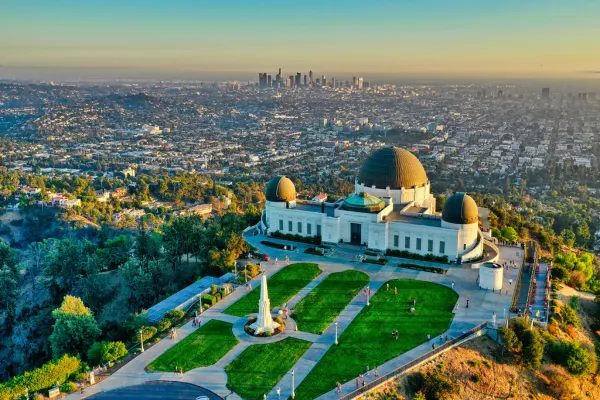
The United States has long been at the forefront of space exploration and astronomy, from NASA’s groundbreaking missions to some of the most advanced telescopes in the world. But you don’t need to be a scientist or astronaut to connect with the cosmos. Across the country, observatories open their doors to the public, offering opportunities …

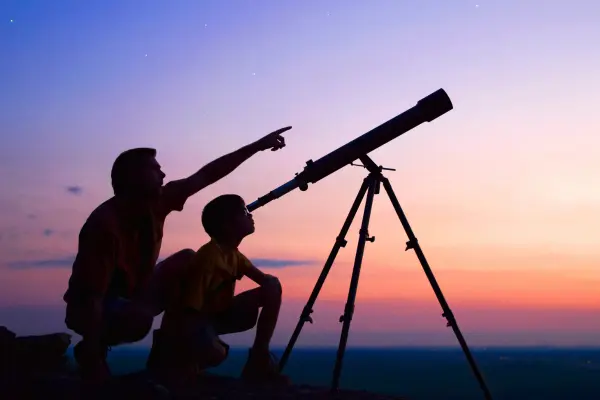
Astrotourism is about more than simply gazing at the night sky—it is the art of traveling to places where the stars reveal themselves in their full brilliance. Spain has become one of the world’s leading destinations for this type of experience, thanks to its combination of diverse landscapes, low levels of light pollution, and internationally …
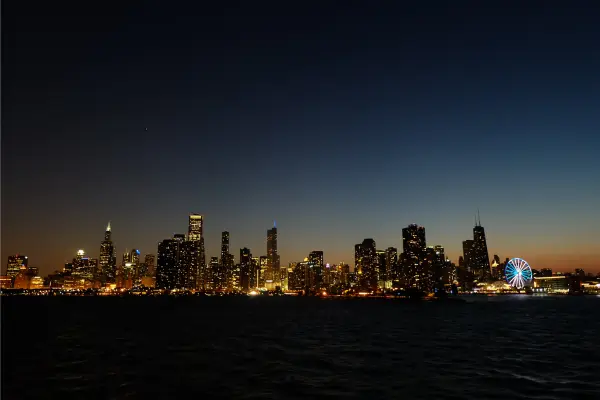
Astrotourism is quickly becoming one of the most inspiring ways to travel, offering experiences that go far beyond traditional sightseeing. Instead of focusing only on monuments, cities, or landscapes, astrotourism invites travelers to look upward and discover the cosmos. For many people, the night sky has always been a source of mystery and wonder, but …
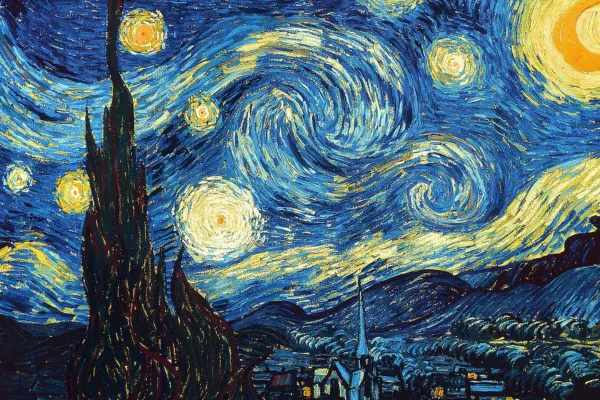
From the moment humans first looked up at the night sky, the universe has been more than a collection of stars and planets. It has been a stage for imagination, a source of mystery, and a mirror for our deepest emotions. The cosmos, vast and unreachable, has always fascinated us precisely because it is both …
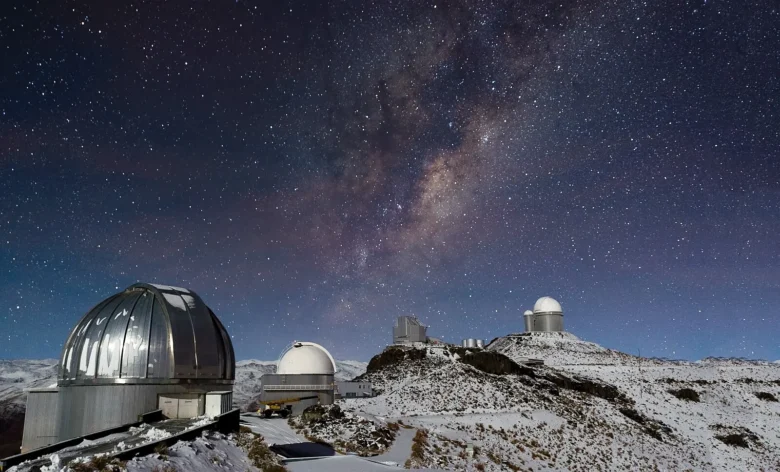
Chile has earned a reputation as the global capital of astronomy, and with good reason. Stretching across the Atacama Desert and the Andes Mountains, the country offers some of the most favorable conditions on the planet for stargazing and astronomical research. With clear skies more than 300 nights a year, extremely dry air, and locations …
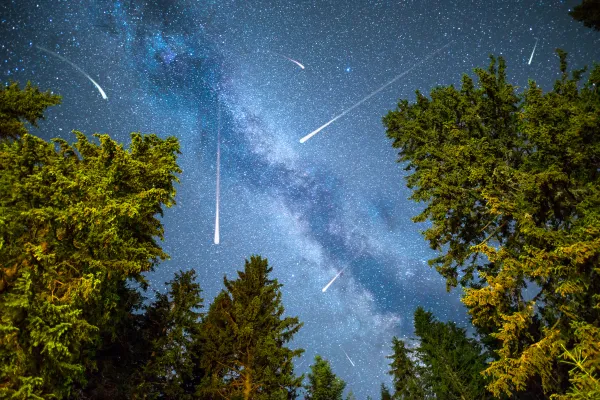
Few natural spectacles are as breathtaking as a meteor shower. Unlike fireworks, which are man-made, meteor showers are celestial events that remind us of our planet’s connection to the wider universe. They occur when Earth passes through streams of debris left behind by comets or asteroids, causing fragments to burn up in the atmosphere and …
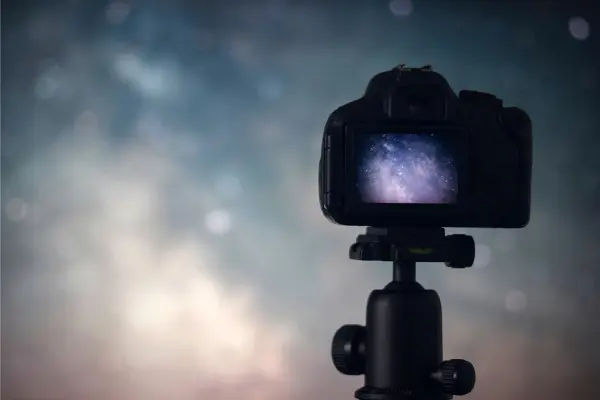
Astrophotography has become one of the most captivating ways to combine travel, technology, and creativity. More than just taking pictures, it is about capturing the timeless beauty of the night sky and framing it against some of the planet’s most dramatic landscapes. For photographers—whether seasoned professionals or passionate beginners—the thrill lies in finding locations where …
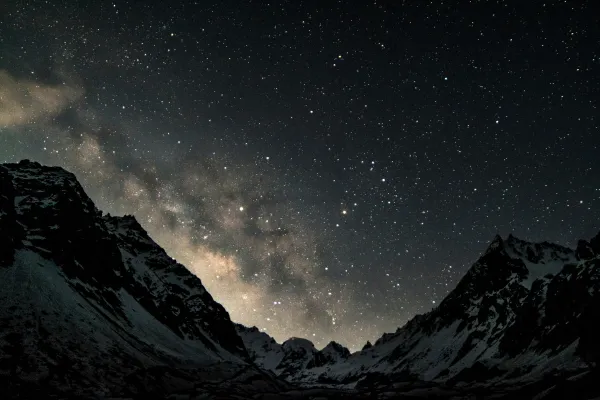
When most people think of constellations, they imagine the twelve signs of the zodiac or the Greek myths that shaped Western astronomy. Yet these familiar patterns represent only one cultural lens through which humanity has interpreted the night sky. Long before telescopes and scientific charts, communities around the world created their own constellations, mapping the …

For as long as human beings have walked the earth, we have looked up at the night sky in awe. The stars, planets, and ever-shifting patterns above us have been a source of wonder, inspiration, and mystery. In ancient times, there was no clear line between what we now call astronomy and astrology. Both were …
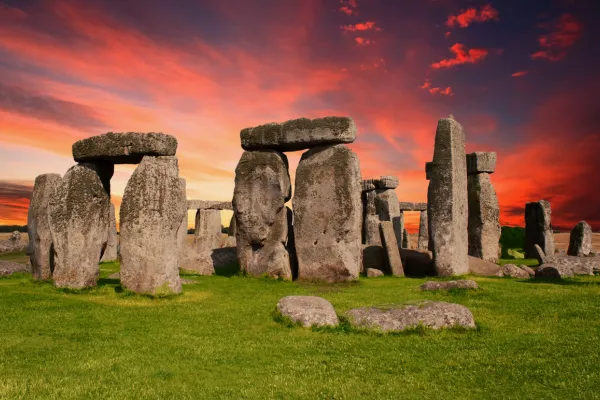
When we think of ancient monuments, we often admire their size, beauty, and durability. Yet many of these structures were not designed only to impress onlookers or house rulers and gods. Hidden within their stones lies a deeper purpose: they were carefully aligned with the movements of the sky. Across continents and cultures, civilizations built …