
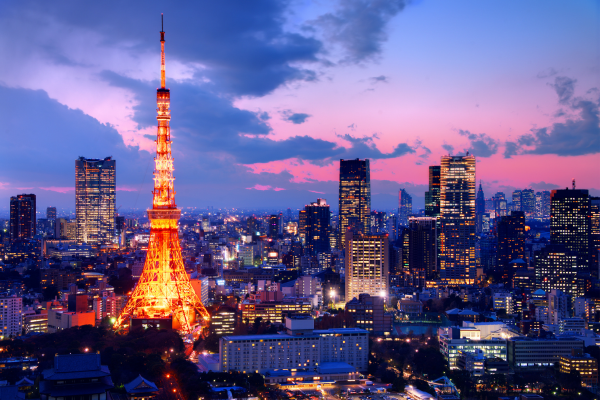
When most people think about stargazing, they imagine remote deserts, isolated mountains, or islands far from civilization—places where darkness reigns and the Milky Way stretches vividly across the horizon. Cities, on the other hand, are usually associated with light pollution, glowing skylines, and skies that reveal only the brightest stars. Yet a growing movement known as urban astrotourism is proving that even in bustling metropolitan areas, travelers can enjoy memorable and sometimes surprising encounters with the cosmos.
Urban astrotourism is the practice of exploring astronomical experiences within or close to major cities. It is not limited to professional observatories—it also includes public stargazing events, planetariums, rooftop astronomy sessions, and even unexpected moments when the night sky breaks through the glow of city lights. For many travelers, this form of astrotourism has a unique appeal: it combines the cultural richness of city life with opportunities to connect with the universe, making astronomy accessible without the need to travel hundreds of kilometers into the wilderness.
Several cities around the world have made significant efforts to embrace the night sky despite urban challenges. Some, like Tucson in the United States, have pioneered dark-sky policies that reduce light pollution and protect celestial visibility. Others, such as Reykjavik in Iceland, are perfectly positioned to witness natural phenomena like the Northern Lights right at the edge of town. In places like Tokyo, innovative rooftop experiences and cutting-edge planetariums allow residents and visitors alike to explore the stars without leaving the metropolis.
The growing popularity of urban astrotourism reflects a global trend: the desire to reconnect with the stars in an increasingly illuminated world. Whether through scientific education, cultural storytelling, or simply the joy of looking up, these cities show that astronomy belongs not only to deserts and mountains but also to the heart of urban life.
In this article, we will explore some of the most surprising cities for astrotourism—destinations where culture, innovation, and the cosmos come together to transform the way we see both the city and the universe above it.
Why Urban Astrotourism Matters
In an era where more than half of the world’s population lives in cities, the night sky has become one of the most endangered natural resources. Light pollution now blocks out the view of the Milky Way for the majority of urban dwellers, leaving only a handful of stars visible above glowing skylines. For many people, the idea of stargazing feels distant, something reserved for rural trips or remote expeditions. This is precisely why urban astrotourism matters—it makes astronomy accessible, relatable, and meaningful within the spaces where most of humanity resides.
Urban astrotourism plays a dual role. On one hand, it creates opportunities for travelers and locals to engage with astronomy without leaving the city. Planetariums, science centers, rooftop observatories, and community stargazing events allow people to rediscover the night sky in ways that are interactive and inspiring. On the other hand, it also encourages awareness and responsibility around light pollution. Cities that implement dark-sky initiatives or regulate artificial lighting are not only preserving their cultural identity but also reclaiming their connection to the cosmos.
Beyond the scientific aspect, urban astrotourism integrates astronomy with cultural and social experiences. Music festivals under the stars, rooftop dinners paired with telescope sessions, and even storytelling traditions that tie constellations to local myths transform stargazing into something holistic. Instead of being isolated from daily life, astronomy becomes part of the cultural heartbeat of the city.
Importantly, urban astrotourism also democratizes access to the universe. Not everyone can travel to deserts or mountaintops, but almost everyone can look up from a rooftop or park. For families, students, and curious travelers, these experiences spark imagination, inspire creativity, and sometimes ignite lifelong interests in science and exploration.
Ultimately, urban astrotourism matters because it proves that the cosmos is not out of reach. Even in the busiest, most illuminated cities, the stars still have a story to tell—one that invites us to pause, look up, and reconnect with a universe that belongs to us all.
Top Cities for Urban Astrotourism
Tucson, USA
Located in southern Arizona, Tucson has earned an international reputation as one of the best cities in the world for stargazing. Unlike most urban centers, Tucson has embraced strict light pollution controls for decades, becoming the first U.S. city to adopt dark-sky ordinances as early as the 1970s. These pioneering efforts have allowed the city to grow while still protecting its night skies, making it a model for urban astrotourism around the globe.
What makes Tucson unique is the way astronomy is integrated into everyday life. Street lighting is carefully designed to minimize skyglow, and the city works closely with scientists and residents to preserve visibility of the stars. As a result, even within the city limits, it is possible to enjoy clear views of constellations that are often invisible elsewhere. This commitment has earned Tucson the title of a “Dark Sky City”, officially certified by the International Dark-Sky Association, which is also headquartered there.
The region surrounding Tucson further enhances its astronomical appeal. The nearby Kitt Peak National Observatory, home to one of the largest collections of telescopes in the world, offers public programs where visitors can tour the facilities and observe celestial objects firsthand. Closer to the city, the Flandrau Science Center and Planetarium at the University of Arizona provides immersive educational experiences for all ages. Community events, such as stargazing nights in local parks, bring astronomy directly to residents and travelers alike.
Culturally, Tucson celebrates its skies with festivals, star parties, and outreach programs that blend science with art and storytelling. Visitors can enjoy desert landscapes by day and join guided astronomy sessions by night, creating a seamless connection between earth and sky.
For urban astrotourists, Tucson proves that cities can indeed protect and even celebrate the cosmos. It is not just a gateway to Arizona’s deserts and mountains—it is a living example of how urban life and starlight can coexist.
Reykjavik, Iceland
At first glance, the idea of stargazing in a capital city may seem unlikely, but Reykjavik, the northernmost capital in the world, offers something extraordinary: the chance to witness the Northern Lights just minutes from the city center. While Reykjavik does experience light pollution, its relatively small size and proximity to vast stretches of wilderness mean that travelers can quickly access dark skies without long journeys.
During aurora season, which runs from late August to mid-April, the skies above Reykjavik often come alive with ribbons of green, pink, and purple light. On strong nights, the aurora borealis can even be seen from public parks within the city, such as Klambratún Park or near the iconic Sun Voyager sculpture by the waterfront. For brighter and clearer views, a short trip to areas like Grótta Lighthouse or the nearby countryside virtually guarantees a spectacular display.
Beyond the aurora, Reykjavik also fosters an active astronomy culture. The Árbaer Open Air Museum occasionally hosts night-sky events, while the Perlan Museum features immersive exhibitions that blend science with Icelandic natural wonders. Visitors can also join guided night tours, where local experts explain not only the science of the aurora but also the folklore and legends that surround it in Icelandic culture.
What makes Reykjavik special is the way it blends urban convenience with cosmic wonder. Travelers can enjoy a day exploring vibrant cafés, museums, and geothermal spas, then step outside at night to watch one of nature’s greatest spectacles. Few cities in the world offer such an accessible and unforgettable astrotourism experience.
Santiago, Chile
Nestled in a valley between the Andes and the Coastal Mountain Range, Santiago, the capital of Chile, is more than just a bustling metropolis—it is also a gateway to some of the world’s most celebrated skies. While the city itself has the challenges of light pollution, its geography and proximity to high-altitude areas make it uniquely positioned for urban astrotourism.
Chile is known globally for its role in modern astronomy. Some of the most advanced observatories on Earth, such as those in the Atacama Desert, are within reach of Santiago, and this astronomical culture strongly influences the city. Visitors can explore the National Astronomical Observatory on Cerro Calán, which occasionally opens to the public for guided tours and night observations. The Planetarium at the University of Santiago is another highlight, offering immersive shows that explain both the science and cultural significance of the cosmos.
For those willing to venture just beyond the city lights, the foothills of the Andes provide incredible opportunities for stargazing. Within less than an hour’s drive, travelers can find darker skies where constellations of the Southern Hemisphere, such as the Southern Cross and Magellanic Clouds, reveal themselves in striking clarity. Many local astronomy groups organize public star parties, where telescopes are set up and experts guide participants through the wonders of the night sky.
Santiago is a city where science, culture, and nature converge. By day, travelers can enjoy museums, historic neighborhoods, and world-class gastronomy; by night, they can step into the Andean foothills and witness skies that connect urban life to the vast universe above.
Tokyo, Japan
Tokyo may be one of the brightest and busiest cities on Earth, yet it proves that even megacities can embrace astrotourism in creative and surprising ways. While the overwhelming glow of neon lights and skyscrapers makes natural stargazing within the city difficult, Tokyo has developed a rich network of planetariums, observatories, and rooftop experiences that bring the cosmos closer to its millions of residents and visitors.
One of the city’s most iconic attractions is the Tokyo Skytree, which not only dominates the skyline but also features an observatory with stunning views of the metropolis and occasional astronomy-themed events. Tokyo is also home to some of the world’s most advanced digital planetariums, such as the Konica Minolta Planetarium “Manten” in Sunshine City, where immersive projections simulate the night sky with breathtaking realism. These experiences make it possible to explore constellations, galaxies, and cosmic phenomena regardless of the weather or city lights outside.
For travelers looking for more hands-on experiences, the National Museum of Emerging Science and Innovation (Miraikan) frequently offers exhibitions and programs focused on space and astronomy. Additionally, several hotels and cultural centers have begun hosting rooftop stargazing events, where telescopes are set up and experts guide guests through visible planets and stars that manage to pierce through Tokyo’s glow.
What Tokyo demonstrates is that urban astrotourism is not limited to pristine dark skies. Through innovation, technology, and creativity, the city offers meaningful opportunities to connect with the universe, even in the heart of a modern megacity. It is a reminder that fascination with the cosmos transcends geography, reaching people wherever they are—even under the brightest city lights.
Cape Town, South Africa
Framed by the iconic Table Mountain and the Atlantic Ocean, Cape Town is often praised for its natural beauty—but it is also emerging as a vibrant hub for urban astrotourism. While it is a bustling city, its unique geography and proximity to dark-sky reserves make it one of the best urban destinations for combining culture, nature, and astronomy.
Within the city, visitors can enjoy astronomy programs hosted by institutions such as the South African Astronomical Observatory (SAAO), which regularly opens its doors for public tours and stargazing events. The Planetarium and Digital Dome at Iziko Museums is another highlight, offering immersive shows that bring the wonders of the universe to life. These venues make astronomy accessible to families, students, and travelers of all backgrounds, ensuring that the stars remain part of Cape Town’s cultural fabric.
For those who wish to go just beyond the city lights, the options are remarkable. In less than an hour’s drive, travelers can reach areas with minimal light pollution, where the Southern Hemisphere sky reveals treasures such as the Magellanic Clouds, the Southern Cross, and dense stretches of the Milky Way. Cape Town is also a gateway to world-renowned dark-sky sites like the Cederberg Mountains and Tankwa Karoo National Park, both of which are perfect for serious stargazers and astrophotographers.
What makes Cape Town particularly special is the way it blends urban life with cosmic wonder. By day, you can explore vineyards, beaches, and vibrant neighborhoods; by night, you can connect with the universe from city observatories or the nearby wilderness. Cape Town proves that urban astrotourism thrives where culture, nature, and the night sky meet in harmony.
How Cities Adapt to the Stars
One of the most fascinating aspects of urban astrotourism is how cities are learning to adapt their environments to bring the stars back into view. In an age where light pollution is increasing globally, innovative policies and creative cultural initiatives are helping urban areas reconnect with the night sky. These adaptations demonstrate that astronomy can thrive even in the busiest metropolitan centers.
A major step has been the adoption of dark-sky initiatives. Cities like Tucson in the United States or Flagstaff, Arizona, pioneered ordinances that regulate outdoor lighting by reducing unnecessary glare and encouraging energy-efficient, downward-facing lamps. Similar measures are being implemented worldwide, proving that city lights and starry skies do not have to be mutually exclusive. By lowering light pollution, cities not only improve astronomical visibility but also reduce energy consumption, benefiting both science and sustainability.
Technology also plays a crucial role. Digital planetariums and rooftop observatories bring the cosmos directly into the heart of cities. Even in places where natural stargazing is limited, immersive shows and guided events provide residents and visitors with opportunities to learn about constellations, galaxies, and cosmic phenomena. In some cities, hotels and cultural centers now host astronomy-themed nights, where telescopes are provided on terraces or rooftops, blending leisure, education, and starlight.
Cultural integration is equally important. Many cities are combining astronomy with art, music, and storytelling. Festivals that celebrate the stars often include concerts, workshops, and exhibitions that link cosmic wonder with human creativity. These events transform astronomy from a purely scientific pursuit into a shared cultural experience, accessible to wider audiences.
Ultimately, cities adapt to the stars by recognizing that the night sky is part of our shared heritage. Through thoughtful policies, technological innovation, and cultural imagination, they show that even under glowing skylines, the universe can still inspire wonder, connection, and exploration.
Conclusion
Astrotourism is often associated with deserts, mountains, or remote islands, but the rise of urban astrotourism shows that the stars still belong to everyone—even those who live under city lights. As we have seen, cities like Tucson, Reykjavik, Santiago, Tokyo, and Cape Town prove that metropolitan areas can embrace the night sky in meaningful and innovative ways. Each of these cities demonstrates that astronomy is not only a scientific pursuit but also a cultural and social experience that can enrich urban life.
The importance of urban astrotourism lies in its accessibility. Not everyone can travel to isolated deserts or high mountain peaks, yet almost anyone can visit a city planetarium, attend a rooftop stargazing event, or join a public night-sky festival. These experiences democratize access to the cosmos, allowing children, families, and curious travelers to feel the wonder of the universe without leaving the city. By weaving astronomy into daily life, cities create opportunities for both education and inspiration.
At the same time, urban astrotourism raises awareness about light pollution and the need to protect our night skies. Cities that implement dark-sky policies are not only making stars more visible—they are also promoting sustainability and energy efficiency. This connection between environmental responsibility and cosmic wonder adds an extra layer of value to urban stargazing.
Ultimately, urban astrotourism invites us to pause, look up, and remember that the universe is always above us, no matter where we are. Whether it’s watching the aurora in Reykjavik, exploring planetariums in Tokyo, or attending star parties in Santiago, these experiences remind us that cities are not just places of noise and light—they can also be gateways to the infinite.
✨ Urban astrotourism proves that you don’t have to escape the city to find the stars. Sometimes, all it takes is the right place, the right moment, and the willingness to look up.