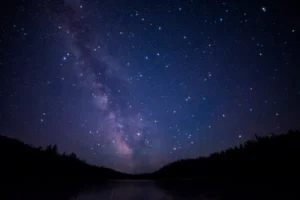
Across time and cultures, the night sky has always been more than a silent backdrop of stars. It has been a source of wonder, a map for travelers, a calendar for farmers, and a canvas for myths and dreams. Civilizations around the world have celebrated the beauty and mystery of the heavens through festivals that combine astronomy, spirituality, and cultural tradition. These events remind us that gazing at the stars is not only a scientific act, but also a deeply human one.
Cultural festivals dedicated to the sky allow communities to connect with the cosmos in ways that blend art, ritual, and storytelling. From ancient solstice gatherings at Stonehenge to modern dark-sky events in national parks, these celebrations reveal how humans continually find meaning in celestial patterns. Some festivals are rooted in myths of love and longing, like Japan’s Tanabata; others honor the cycles of the moon, like China’s Mid-Autumn Festival. In South America, Indigenous rituals align with solstices to honor the sun and stars, while in Africa and Oceania, celestial festivals preserve ancient knowledge of navigation and cosmology.
In today’s world, where artificial light often hides the stars, these festivals also take on new significance. They remind us of the importance of protecting dark skies and preserving our cultural connection to the cosmos. By celebrating the heavens together, we reaffirm our place in the universe and our shared heritage as sky-watchers.
Asia: Festivals of Stars and Moons
Asia is home to some of the most iconic festivals that celebrate the night sky, blending mythology with community rituals. In Japan, the Tanabata Festival tells the story of Orihime and Hikoboshi, two lovers separated by the Milky Way who are allowed to reunite once a year. Celebrated in July or August, Tanabata fills the streets with colorful decorations, streamers, and handwritten wishes tied to bamboo branches, all inspired by the stars.
In China and Vietnam, the Mid-Autumn Festival is one of the most beloved celestial celebrations. It takes place on the 15th day of the eighth lunar month, when the moon is at its brightest. Families gather to admire the full moon, share mooncakes, and light lanterns that symbolize unity, prosperity, and hope. Beyond its beauty, the festival reflects the deep cultural belief that celestial cycles bring harmony to human life.
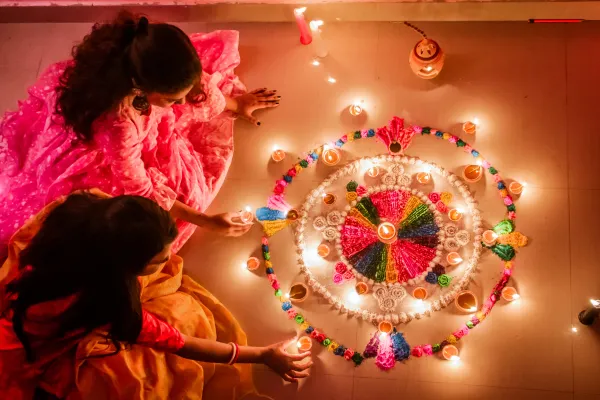
India’s Diwali, often known as the Festival of Lights, also carries cosmic connections. Though primarily associated with light conquering darkness, it is tied to lunar calendars and seasonal cycles. Lamps and fireworks illuminate the night sky, symbolically linking the human world with celestial brightness.
These Asian festivals highlight how stars and moons are woven into cultural identity. They are not only occasions for joy and family togetherness but also living traditions that keep ancient myths and cosmic awareness alive.
Europe: Ancient Traditions and Modern Star Celebrations
Europe has a long history of linking the night sky with ritual and festivity. One of the most iconic examples is the gathering at Stonehenge in the United Kingdom. This ancient monument, aligned with the summer and winter solstices, continues to attract thousands of visitors each year who come to witness the sunrise or sunset framed perfectly by its stones. What began as a prehistoric observatory has transformed into a living cultural celebration of astronomy, spirituality, and seasonal cycles.
In Spain, La Noche de San Juan is another powerful example. Celebrated during midsummer, this festival combines fire, music, and community rituals under the stars. Bonfires are lit on beaches and in town squares, symbolizing purification and renewal as the year reaches its longest day. Although it has Christian associations, its roots go back to pagan solstice traditions that honored the power of the sun and night sky together.
Across Europe, stargazing festivals are being revived in modern times. In rural areas of France, Scotland, and Scandinavia, communities organize dark-sky events where people gather to observe constellations, planets, and meteor showers. These celebrations often combine science talks, storytelling, and music, blending ancient wonder with contemporary appreciation for astronomy.
Together, Europe’s celestial festivals highlight a continuum between the past and the present. Whether through ancient monuments, seasonal rituals, or new astrotourism initiatives, the continent continues to celebrate the sky as both a cultural heritage and a shared human experience.
The Americas: Sky Rituals Old and New
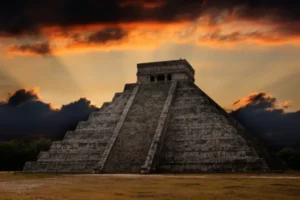
In the Americas, festivals celebrating the night sky often draw from Indigenous traditions that honor the cycles of the sun, moon, and stars. In Peru and Bolivia, the Inti Raymi (Festival of the Sun) is one of the most famous Andean celebrations. Originally dedicated to the Inca sun god Inti, the festival is timed with the winter solstice in the Southern Hemisphere, marking the renewal of agricultural cycles. Rituals, dances, and offerings connect participants with the heavens, reinforcing the link between cosmic order and earthly life.
Native American cultures also hold traditions tied to the night sky. Powwows and storytelling gatherings often include celestial myths that explain the creation of the world or the roles of stars as ancestral guides. These rituals emphasize community, oral heritage, and the moral lessons embedded in constellations.
Modern astronomy festivals in the United States and Canada bring a new layer of celebration. Events like the Dark Sky Festival in Utah or those held in national parks provide opportunities to observe meteor showers, planets, and galaxies in areas free from light pollution. These gatherings blend science education with cultural appreciation, offering workshops, guided stargazing, and even music under the stars.
From ancient rituals to contemporary science festivals, the Americas show a vibrant spectrum of ways people connect with the cosmos. Whether rooted in Indigenous spirituality or modern astronomy, these celebrations highlight the enduring power of the night sky to bring communities together.
Africa and Oceania: Stars as Cultural Guides
In Africa, the night sky has long been tied to mythology, ritual, and identity. Among the Dogon people of Mali, the star Sirius holds special importance. Known as Sigui Tolo, it is celebrated in ceremonies that occur every 60 years, connecting generations through cosmic knowledge. The Dogon’s myths about Sirius describe it as a twin star system, a detail that modern science confirmed much later. These festivals are not only astronomical in nature but also deeply spiritual, reinforcing connections to ancestors and the universe.
Other African communities also link festivals to celestial cycles. For the Zulu in southern Africa, stars are seen as ancestors, and night gatherings often include dances, storytelling, and rituals that honor both family and cosmic order. Such practices highlight how festivals act as bridges between the physical and spiritual worlds.
In Oceania, Aboriginal Australians and Polynesian navigators preserved some of the most sophisticated star traditions. Aboriginal communities hold gatherings that retell Dreamtime stories, where constellations like the “Emu in the Sky” teach moral lessons and guide seasonal activities. In Polynesia, festivals often celebrate navigation skills that rely on stars to cross vast oceans. Voyaging canoes and rituals of star-based wayfinding are reenacted, honoring the ancestral knowledge that allowed these cultures to thrive across thousands of islands.
Both Africa and Oceania remind us that star festivals are not just about celebration—they are about survival, identity, and continuity. The heavens serve as both a map and a mirror, keeping cultural memory alive through ritual.
Shared Themes of Celestial Festivals
Although celestial festivals vary widely across regions, they share core themes that reveal humanity’s universal connection to the sky. The first is the use of the heavens as a calendar. Festivals timed with solstices, equinoxes, or lunar cycles reflect how communities everywhere relied on celestial events to regulate agriculture, hunting, and seasonal change. Whether it was the Mid-Autumn Festival in Asia or Inti Raymi in South America, timing was inseparable from survival.
A second theme is the blending of science and spirituality. Many festivals celebrate the sky not only as a natural phenomenon but also as a realm of divine or ancestral presence. Stars may be seen as gods, ancestors, or mythological figures, while eclipses or meteor showers are interpreted as messages from the cosmos. This dual perspective reflects humanity’s need for both rational understanding and symbolic meaning.
Another common thread is community connection. Celestial festivals are rarely solitary; they bring people together to share food, music, dance, and storytelling under the stars. Whether in a bustling city celebrating Tanabata or a rural national park hosting a dark-sky event, the night sky becomes a backdrop for human unity.
Finally, modern festivals emphasize preservation. With growing awareness of light pollution, many events also promote dark-sky conservation, reminding us that the stars are part of our cultural heritage and must be protected.
These shared themes reveal that across continents and centuries, celebrating the night sky fulfills the same human impulses: to measure time, to find meaning, and to strengthen community bonds.
Conclusion
Cultural festivals that celebrate the night sky show us that astronomy is not only about science, but also about identity, tradition, and imagination. From Japan’s Tanabata to Peru’s Inti Raymi, from the Dogon ceremonies in Mali to modern Dark Sky Festivals in the United States, these events reveal how humanity continues to find meaning in the heavens. They are proof that our fascination with the cosmos has never been limited to observation—it has always been a bridge between the physical and the spiritual, the practical and the poetic.
These festivals highlight a shared truth across cultures: the stars are part of our daily lives, whether we look to them for agricultural guidance, spiritual reassurance, or artistic inspiration. They remind us of cycles of nature, reinforce family and community bonds, and preserve ancestral knowledge. In many cases, they also connect us to myths and legends that have survived for centuries, keeping cultural memory alive.
In the modern age, when artificial light hides much of the night sky, these celebrations take on a renewed importance. They encourage us to protect dark skies, not only for scientific observation but also for cultural and emotional heritage. By gathering under the stars—whether to watch a solstice sunrise, release lanterns under a full moon, or admire the Milky Way in a remote desert—we are participating in a tradition as old as humanity itself.
Ultimately, celestial festivals remind us that we all share one sky. No matter our country, language, or belief system, the heavens inspire the same sense of wonder. Celebrating them together is a way of reconnecting with both the cosmos and each other, affirming our place in a universe that continues to fascinate and unite us.