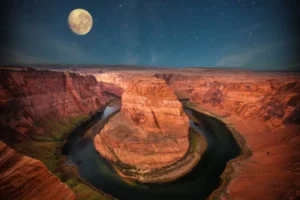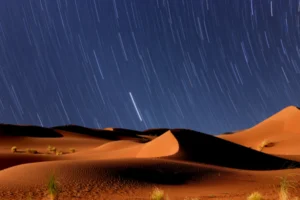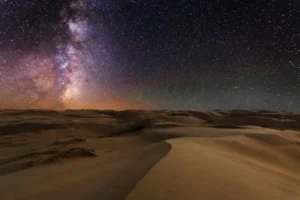
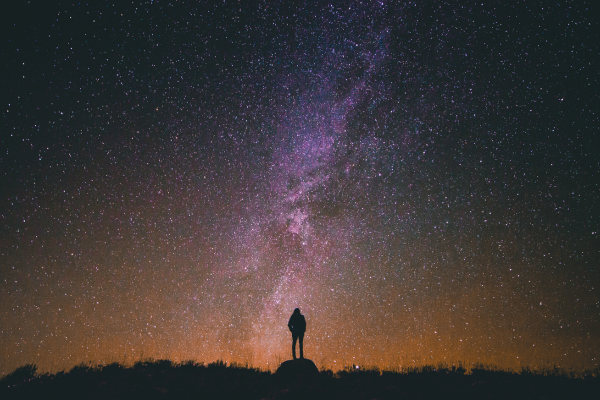
Astrotourism has quickly become one of the most fascinating forms of travel, inviting people to explore not only new landscapes but also the wonders of the night sky. South America, with its vast deserts, towering mountains, and remote wilderness areas, offers some of the clearest and darkest skies on Earth. From the high-altitude Andes to the surreal salt flats of Bolivia, the continent is home to destinations where the Milky Way glows in dazzling detail and shooting stars streak across unpolluted horizons.
What makes South America so extraordinary for stargazing is the combination of geography and climate. Dry deserts like the Atacama in Chile or Tatacoa in Colombia provide year-round clear skies, while regions in Brazil, Argentina, and Bolivia offer unique landscapes that make the celestial experience even more breathtaking. Beyond science, the cultural connection is just as strong—many ancient civilizations of the continent aligned temples, calendars, and myths with the stars, leaving a heritage that still resonates today.
In this article, we’ll reveal seven of the best destinations for astrotourism in South America. Each location has its own character: some are perfect for astrophotography, others for experiencing indigenous traditions tied to the stars, and still others for simply lying back and letting the universe unfold above you. Whether you are a seasoned astronomer or a curious traveler, these destinations promise unforgettable nights under some of the most spectacular skies on the planet.
Atacama Desert – Chile
The Atacama Desert is often described as the ultimate destination for stargazing—not just in South America, but in the entire world. Known as the driest desert on Earth, the Atacama has exceptionally clear skies, minimal humidity, and almost no light pollution, making it a natural observatory unlike any other. With more than 300 cloudless nights each year, it offers travelers consistent opportunities to witness the night sky in its purest form.
What makes the Atacama so special is not just the clarity of its skies but also the stark beauty of its landscapes. Vast salt flats, towering volcanoes, and alien-like rock formations provide dramatic backdrops for aurora-like displays of stars. The Milky Way often appears so bright here that it casts faint shadows on the ground, while planets like Jupiter and Saturn shine with astonishing clarity.
Astrotourism is well developed in the region. From the town of San Pedro de Atacama, visitors can join guided tours led by local astronomers, complete with high-powered telescopes and detailed explanations of the southern constellations. For photographers, the desert is a dream come true: long exposures capture the glowing arc of the Milky Way rising above surreal red canyons and salt deserts.
Daytime in the Atacama is just as extraordinary, with geysers, flamingo-filled lagoons, and sand dunes to explore. But at night, the desert truly comes alive, offering one of the most intense and unforgettable celestial experiences on the planet.
Elqui Valley – Chile
Nestled between the Andes and the Pacific Ocean, the Elqui Valley in northern Chile is another world-class destination for astrotourism. In 2015, it became the world’s first International Dark Sky Sanctuary, recognized for its pristine night skies and commitment to preserving them. The valley enjoys more than 300 clear nights per year, making it one of the most reliable places for stargazing.
What sets the Elqui Valley apart is the way it blends cosmic observation with local culture and spirituality. The region has long been considered a mystical place, attracting travelers who seek not only stars but also a sense of energy and inspiration. Vineyards and small villages throughout the valley have embraced this reputation, offering astro-themed experiences such as wine tastings under the stars and meditation retreats combined with astronomy sessions.
Visitors can find a variety of astro-lodges and boutique hotels designed specifically for night sky viewing, with terraces and telescopes available for guests. Local guides lead astronomy walks, where constellations are explained alongside traditional stories and myths, connecting science with culture.
During the day, travelers can explore the valley’s vineyards and taste its famous pisco, hike in the surrounding hills, or visit local artisans. But as darkness falls, the sky becomes the true attraction, unveiling countless stars, nebulae, and galaxies invisible from most of the world.
For those who want both cosmic wonder and cultural depth, the Elqui Valley offers a perfect balance, making it one of South America’s most unique and rewarding astrotourism destinations.
Argentine Andes – Mendoza & San Juan
High in the Argentine Andes, the provinces of Mendoza and San Juan have quietly become hidden gems for astrotourism. With their high altitude, dry climate, and wide-open skies, these regions provide exceptional conditions for observing the stars. Unlike the bustling Atacama, the Argentine Andes offer a quieter, less commercialized alternative, perfect for travelers who want to combine stargazing with cultural and rural experiences.
Mendoza is world-famous for its Malbec wines, and many vineyards now complement their tastings with night sky experiences. Imagine sipping a glass of local wine as constellations like the Southern Cross and Centaurus emerge overhead. The blend of gastronomy and astronomy creates a unique sensory journey that appeals to both the palate and the imagination.
San Juan, on the other hand, has invested in promoting its skies as a tourist attraction, hosting astronomy festivals and public events that draw both amateur and professional stargazers. The region’s mountainous landscapes provide stunning natural frames for the stars, making it a paradise for astrophotographers.
Beyond the skies, these provinces also offer outdoor adventures such as trekking, horseback riding, and exploring Andean culture in small mountain villages. By day, travelers can discover the rugged beauty of the Andes, and by night, they can experience skies so dark and clear that entire galaxies seem within reach.
For visitors looking to pair world-class wine and warm hospitality with unforgettable celestial displays, the Argentine Andes stand among South America’s most enchanting astrotourism destinations.
Serra da Capivara – Brazil (Piauí)
In northeastern Brazil, the Serra da Capivara National Park in the state of Piauí offers a rare combination of archaeology, history, and astronomy. Famous for its prehistoric rock art, some of which depicts celestial symbols, the park connects humanity’s ancient fascination with the stars to modern stargazing experiences. Declared a UNESCO World Heritage Site, it is not only a treasure of cultural heritage but also an emerging hotspot for astrotourism.
The park’s remote location, dry climate, and absence of major urban centers nearby create ideal conditions for observing the night sky. When the sun sets, the darkness reveals a canopy of stars that seems endless. The Milky Way shines vividly, and meteor showers appear with extraordinary clarity. For visitors, the combination of prehistoric cave paintings and the living sky above creates a profound sense of continuity—reminding us that humans have looked to the heavens for meaning for tens of thousands of years.
Guided tours often weave together archaeology and astronomy, allowing travelers to explore ancient rock shelters during the day and then gather under the open sky at night. Local initiatives have begun to promote astrotourism, offering telescope sessions and cultural programs that enrich the visitor’s experience.
Serra da Capivara is not only about science or beauty—it is about perspective. Few places in the world allow you to stand in front of humanity’s earliest depictions of the stars while simultaneously watching those same constellations unfold overhead. For astrotourists, it is a destination where past and present meet under the eternal canopy of the universe.
Lençóis Maranhenses – Brazil
The Lençóis Maranhenses National Park, in northeastern Brazil, is famous for its endless dunes and turquoise lagoons that appear after the rainy season. While the park is already a natural wonder by day, it becomes even more magical at night when combined with astrotourism. Far removed from major cities, the area offers some of the darkest skies in Brazil, where stars shimmer with extraordinary brightness and clarity.
What makes Lençóis Maranhenses unique is the reflective quality of its lagoons. During the peak season, from June to September, the still waters act like natural mirrors, doubling the celestial spectacle. The Milky Way appears to float both above and below you, creating an illusion that feels like stepping into another dimension. For photographers, this combination of sand, water, and starlight produces some of the most breathtaking images imaginable.
Visitors can join guided tours that often include night walks across the dunes, allowing travelers to experience the surreal landscapes in silence under the stars. Local guides share stories of the region’s culture and nature, adding depth to the experience. Some tours also combine stargazing with eco-tourism activities, making it ideal for those who want to blend adventure with cosmic wonder.
Lençóis Maranhenses offers not only beauty but also serenity. Few places in the world allow you to sit barefoot on warm sand, listen to the whisper of the wind across the dunes, and look up at a sky so brilliant it seems alive. It is a destination where earth and sky truly meet in harmony.
Salar de Uyuni – Bolivia
The Salar de Uyuni, the largest salt flat on Earth, is one of the most otherworldly destinations in South America—and perhaps the planet. Located in southwest Bolivia, this vast white expanse stretches for more than 10,000 square kilometers. By day, it dazzles visitors with its endless horizon of pure salt, but at night it transforms into one of the most extraordinary natural observatories in the world.
During the rainy season, usually between January and March, a thin layer of water covers the salt flats, turning them into a gigantic mirror. Under these conditions, the stars and Milky Way reflect perfectly on the surface, creating the surreal impression of walking through the cosmos itself. The visual effect is so striking that it has become a dream destination for astrophotographers, who travel from across the globe to capture this celestial double vision.
Even outside the rainy season, Salar de Uyuni offers incredibly clear skies due to its high altitude and minimal light pollution. The thin, dry air of the Bolivian altiplano makes stars appear sharper and more numerous than in most parts of the world. Visitors can lie down on the cool salt crust and watch the heavens in absolute silence, surrounded by an environment that feels more lunar than earthly.
Salar de Uyuni is not just a place to see stars—it is a place to feel the vastness of the universe. Standing on its infinite white surface under a glowing sky is a reminder of both the immensity of nature and our small, yet meaningful, place within it.
Tatacoa Desert – Colombia
The Tatacoa Desert, located in central Colombia, is often described as a landscape from another planet. Unlike a traditional sandy desert, Tatacoa is a dry tropical forest shaped into striking red and gray canyons. This dramatic scenery, combined with its clear skies and minimal light pollution, has made it one of the best places in Colombia—and in South America—for astrotourism.
Tatacoa’s remote location ensures consistently dark skies, where the Milky Way stretches vividly across the horizon and countless stars are visible to the naked eye. Visitors often describe the experience as overwhelming, as the density of stars creates a sense of infinite depth above the desert. Each July, the region hosts an Astronomy Festival that attracts scientists, amateur stargazers, and travelers from around the world. The event includes lectures, workshops, and night observation sessions that transform the desert into a vibrant hub of cosmic discovery.
Beyond the festival, local observatories and guides offer nightly stargazing experiences. Many use telescopes to reveal planets, star clusters, and even distant galaxies, while also sharing myths and cultural stories that connect the sky to human imagination. The desert itself, with its labyrinth of canyons and quiet solitude, enhances the atmosphere of mystery and wonder.
Tatacoa is not just about astronomy—it is about immersion. The combination of stark natural beauty, scientific exploration, and cultural storytelling makes it one of the most unique astrotourism destinations in South America. Standing among its red canyons under a glowing sky feels like stepping into both the past and the future at once.
Conclusion
South America offers some of the most spectacular skies in the world, and each destination adds its own character to the experience. The dry clarity of Chile’s Atacama Desert and Elqui Valley, the cultural richness of the Argentine Andes, the historical depth of Brazil’s Serra da Capivara, the surreal landscapes of Lençóis Maranhenses and Bolivia’s Salar de Uyuni, and the mystical canyons of Colombia’s Tatacoa Desert all highlight the continent’s incredible diversity.
What unites these places is their ability to remind us of our connection to the universe. In deserts, mountains, and salt flats, travelers find not only darkness but also silence, space, and perspective. The stars here do more than shine—they transform landscapes into living theaters of light, creating memories that stay long after the journey is over.
For travelers seeking more than typical sightseeing, astrotourism in South America offers the chance to slow down, look up, and rediscover wonder. Whether you’re a dedicated astrophotographer, a science enthusiast, or simply someone curious about the night sky, these seven destinations promise an experience that is both cosmic and deeply human.
✨ The universe is waiting—why not start your journey under the brightest skies of South America?