In recent years, astrotourism has become one of the most fascinating trends in travel. More and more people are seeking experiences that connect them with the natural world, and few experiences are as profound as gazing into the night sky. But while stargazing on a beach or in a desert is magical, there is another branch of this movement that takes the experience to the next level: scientific astrotourism. This form of tourism focuses not just on seeing the stars but on understanding them—immersing visitors in the science, history, and cultural significance of astronomy through observatory visits.
Unlike casual stargazing, scientific astrotourism allows travelers to engage with professional equipment, guided programs, and the knowledge of trained astronomers. At observatories, visitors don’t simply admire constellations; they get the chance to view celestial bodies in extraordinary detail, learn about groundbreaking discoveries, and participate in interactive educational experiences. This mix of wonder and science makes the observatory visit both inspiring and intellectually enriching.
The growing popularity of scientific astrotourism reflects a broader cultural curiosity. People want to know more about our place in the universe, and observatories provide that bridge between human imagination and scientific exploration. In this article, we’ll walk you through what to expect when you visit an observatory as part of your astrotourism journey—from the first impressions when you arrive to the telescopic views, exhibits, and practical tips to make the most of your experience. Whether you are a lifelong astronomy enthusiast or simply curious about the cosmos, a visit to an observatory will leave you with unforgettable memories and a deeper connection to the stars.
The Role of Observatories in Scientific Discovery
Observatories are far more than tourist attractions—they are at the heart of humanity’s quest to understand the universe. For centuries, these facilities have been the places where astronomers made groundbreaking discoveries, from mapping the surface of the Moon to identifying distant galaxies and planets. Each observatory, whether a small community facility or a world-class research center, contributes to the ongoing story of science.
When you step into an observatory as a visitor, you are entering a place where science and discovery are alive. Many observatories operate as dual-purpose facilities: by day, scientists use advanced instruments to study cosmic phenomena, and by night, the same telescopes may be opened to the public. This unique blend of research and education allows visitors to witness how professional astronomy works while enjoying access to the tools of discovery.
Some of the world’s most famous breakthroughs have happened at observatories. Pluto, for instance, was discovered at Lowell Observatory in Arizona. Other observatories have played key roles in detecting exoplanets, studying black holes, or observing cosmic events like supernovae. Even smaller regional observatories often contribute data to global projects, proving that every facility has a role in the bigger picture.
For tourists, learning about these contributions adds immense value to the visit. Standing beside a telescope that has made historic discoveries creates a sense of connection—not just to the stars but to the generations of scientists who dedicated their lives to studying them. Observatories remind us that astronomy is not only about distant galaxies but also about human curiosity, perseverance, and our timeless desire to explore the unknown.
First Impressions: Arriving at an Observatory
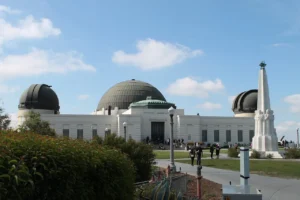
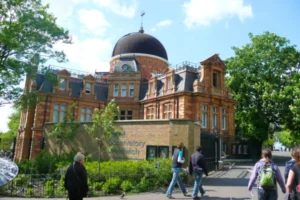
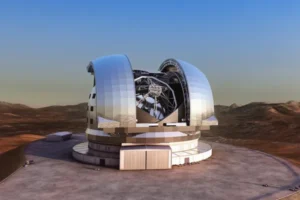
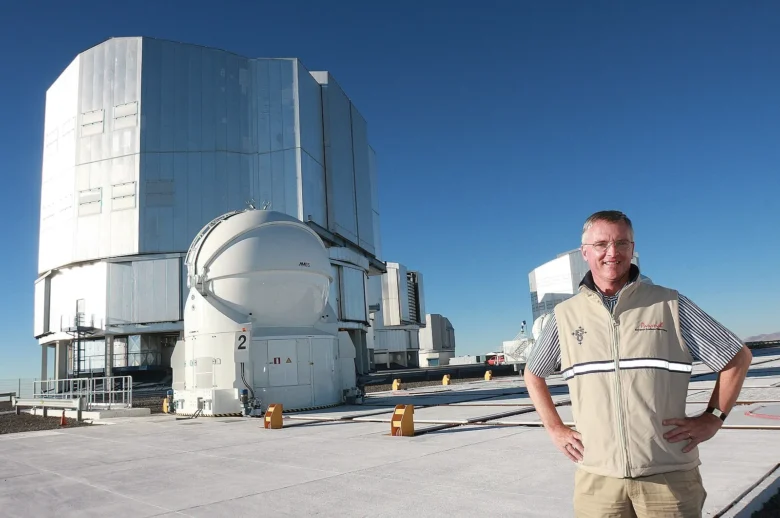
The moment you arrive at an observatory, you quickly realize this is no ordinary attraction. Often built in remote or elevated locations to escape light pollution and achieve clearer skies, observatories carry an air of mystery and anticipation. As you approach, the distinctive dome structures housing massive telescopes immediately capture your attention. These domes, sometimes futuristic and sometimes historic, are symbols of humanity’s enduring desire to unlock the secrets of the cosmos.
Your first stop is usually the visitor center, where staff or volunteers provide orientation. Here, you may find introductory exhibits that explain how telescopes work, highlight the observatory’s history, and showcase key astronomical discoveries. Many observatories also have small museums featuring artifacts such as historic instruments, original photographs of celestial objects, or models of planets and galaxies. These displays set the stage for what you are about to experience.
Guided tours are a central part of most observatory visits. Knowledgeable guides—often amateur astronomers or researchers—explain the facility’s mission, the different types of telescopes in use, and the science behind astronomical observation. Walking through the grounds, you may pass solar telescopes used during the day, radio dishes collecting cosmic signals, or massive optical telescopes waiting for nightfall.
The architecture itself adds to the experience. Some observatories are over a century old, with ornate details that reflect the era’s vision of science as both art and progress. Others are sleek and modern, representing the cutting edge of research. In both cases, stepping into an observatory is like stepping into a place where time slows down—where the mysteries of the universe become tangible. This first impression is more than visual; it prepares you mentally for the awe and discovery to come.
What You’ll See Through the Telescopes
One of the highlights of any observatory visit is looking through a telescope and seeing the universe up close. While stargazing with the naked eye reveals constellations and the glow of the Milky Way, a telescope transforms those faint points of light into vivid, detailed objects. Depending on the season and the observatory’s equipment, you may view planets, star clusters, nebulae, or even distant galaxies.
The Moon is often a crowd favorite. Through a high-quality telescope, its craters, mountains, and valleys appear in stunning detail, almost as if you could reach out and touch them. Planets such as Jupiter and Saturn are equally breathtaking—seeing Saturn’s rings for the first time is an unforgettable experience, while Jupiter’s bands and moons demonstrate the dynamic nature of our solar system.
Deep-sky objects provide another layer of wonder. Star clusters like the Pleiades or globular clusters shimmer with hundreds of stars. Nebulae, such as the Orion Nebula, appear as glowing clouds of gas and dust where new stars are being born. On exceptionally clear nights, some observatories even allow glimpses of galaxies like Andromeda, our nearest galactic neighbor.
What you see also depends on the time of year and location. Different constellations dominate the sky in different seasons, meaning each visit can offer a unique view. Guides often explain these variations, adding cultural or scientific context that deepens the experience.
For many visitors, this moment—seeing celestial objects with their own eyes rather than in photos—is the heart of scientific astrotourism. It bridges the gap between imagination and reality, reminding us that the universe is vast, alive, and within reach when we look through the lens of science.
Beyond Stargazing: Exhibits and Interactive Learning
While the telescopic views are often the highlight of an observatory visit, the experience doesn’t end there. Modern observatories are designed not only for research but also for education, offering a variety of exhibits, demonstrations, and interactive programs that make astronomy accessible to all ages.
Planetarium shows are among the most popular attractions. Inside a domed theater, visitors are taken on immersive journeys through the cosmos, traveling from our solar system to distant galaxies with the help of stunning visuals and expert narration. These presentations combine storytelling with science, turning complex topics like black holes, star formation, or cosmic expansion into engaging experiences.
Interactive exhibits are another key feature. Many observatories have hands-on displays where visitors can explore how telescopes capture light, simulate the motion of planets, or understand the scale of the universe. Children and adults alike can manipulate models, use touchscreen simulations, or even participate in experiments that reveal the physics behind astronomy.
Lectures and Q&A sessions with astronomers provide deeper insight into current research. Visitors may hear about recent discoveries in exoplanet science, dark matter studies, or the search for extraterrestrial life. This direct connection to scientists transforms the visit into more than entertainment—it becomes an educational journey.
Some observatories also involve the public in citizen science projects, inviting guests to contribute observations or data that support real research. This level of participation makes visitors feel like active contributors to astronomy.
In short, observatories go far beyond stargazing. They create a bridge between cutting-edge research and public curiosity, offering opportunities to learn, interact, and even contribute. For many travelers, these exhibits and activities are what turn an observatory visit into a transformative experience of both wonder and knowledge.
Preparing for Your Visit
To fully enjoy your observatory experience, preparation is essential. The first step is planning your visit around the observatory’s schedule. Many facilities operate at specific times, often aligning programs with seasonal celestial events such as eclipses, meteor showers, or planetary alignments. Booking tickets in advance is strongly recommended, especially for popular destinations or during peak tourist seasons.
Clothing is another crucial consideration. Observatories are frequently located in remote, elevated, or desert areas where temperatures drop dramatically at night. Even in summer, it can get surprisingly cold, so dressing in layers and bringing a warm jacket, gloves, and comfortable shoes will keep you comfortable during outdoor programs.
Bringing the right tools enhances the experience. A red flashlight is particularly useful, as it helps you see in the dark without ruining your night vision or disturbing others. Binoculars are a great supplement to telescopes, allowing you to scan wide sections of the sky while waiting for your turn at the larger instruments. A notebook or star chart can help you record observations, and for those interested in astrophotography, check ahead to see if cameras and tripods are permitted.
Equally important is observing proper etiquette. Avoid shining bright lights or using phone screens around telescopes, as this disrupts the experience for everyone. Be respectful of the instruments and follow the guidance of staff, as many telescopes are delicate and highly valuable.
Finally, arrive with patience and curiosity. Weather can sometimes affect visibility, and waiting your turn is part of the process. By approaching the visit with an open mind and a willingness to learn, you’ll ensure that your time at the observatory is not only enjoyable but deeply memorable. Preparation is the key that transforms a simple visit into a once-in-a-lifetime journey through the stars.
Conclusion
A visit to an observatory is more than just a tourist activity—it is an invitation to step into humanity’s ongoing quest to understand the cosmos. Scientific astrotourism transforms a night of stargazing into a profound journey that blends wonder, education, and inspiration. From the moment you arrive at the facility and walk beneath its iconic domes, you are immersed in an atmosphere where science meets imagination. Every detail, from the guided tours to the exhibits and the telescopic views, is designed to deepen your connection with the universe.
What makes scientific astrotourism unique is the balance between accessibility and discovery. You don’t need to be a professional astronomer to appreciate the breathtaking sight of Saturn’s rings, the glowing cloud of a nebula, or the countless stars of a globular cluster. At the same time, observatories offer much more than passive observation. They invite you to engage—through planetarium shows, interactive exhibits, lectures, and even citizen science projects. These experiences ensure that every visitor, whether a child seeing the Moon’s craters for the first time or an adult curious about the mysteries of dark matter, walks away with a new sense of awe and knowledge.
Perhaps most importantly, visiting an observatory reminds us of our place in the universe. Looking through a telescope, you realize that the light reaching your eyes may have traveled for thousands or even millions of years. It is a humbling perspective that fosters both curiosity and appreciation for the fragility of our own planet.
In the end, scientific astrotourism is not just about looking at stars—it is about connecting with humanity’s shared journey of exploration. By planning a visit to an observatory, you are not only witnessing the cosmos but also becoming part of the story of discovery.