For as long as humans have existed, we have looked up at the night sky with awe and curiosity. From ancient civilizations tracking the movements of the stars to modern scientists uncovering the mysteries of black holes and distant galaxies, astronomy has always been a bridge between wonder and knowledge. Today, observatories around the world play a crucial role in keeping that bridge open—not only for professional astronomers but also for ordinary people who want to connect with the cosmos.
What makes observatories so special is their ability to serve both worlds. On one hand, they are centers of cutting-edge scientific research, equipped with powerful instruments that can detect faint signals from billions of light-years away. On the other, they are cultural and educational landmarks that welcome the public, offering opportunities to gaze through telescopes, learn from experts, and even participate in ongoing research projects.
For amateur stargazers, a visit to an observatory can be a life-changing experience. It transforms casual curiosity into meaningful exploration, showing the universe in ways that backyards and city skies cannot. For enthusiasts and professionals, observatories provide pathways to deeper involvement, from workshops and residencies to data analysis and collaboration on global projects.
In this article, we’ll explore how observatories create unique experiences for everyone—from amateur to professional. Whether you want to admire the rings of Saturn, attend an astronomy camp, or contribute to the discovery of exoplanets, observatories offer experiences that inspire, educate, and connect us with the vast universe above.
Observatories as Gateways to Astronomy
Observatories have always been more than just buildings with telescopes—they are gateways to the cosmos. Historically, they served as the centers where humanity’s earliest astronomical maps were drawn and where great discoveries, such as new planets and celestial phenomena, were made. Today, they continue this legacy while also embracing a new role: opening the world of professional astronomy to the public.
Modern observatories are often equipped with advanced visitor centers, exhibitions, and guided tours that make complex science accessible. By explaining how telescopes work, demonstrating how astronomers analyze light from stars, or showcasing historical instruments, they help people of all ages engage with astronomy in meaningful ways.
Many observatories also host public stargazing events, allowing visitors to look through professional-grade telescopes. Seeing the craters of the Moon, the rings of Saturn, or the glow of distant star clusters firsthand leaves a lasting impression, sparking a lifelong passion for astronomy.
But beyond inspiring individuals, observatories act as bridges between science and society. They highlight the importance of research while showing that discovery is not limited to scientists—it is a human endeavor. By making professional astronomy visible and tangible, they transform abstract concepts into experiences that anyone can connect with.
In this sense, observatories are not only scientific facilities but also cultural spaces where knowledge, history, and imagination come together. They invite visitors to cross the threshold from amateur curiosity into deeper exploration of the universe.
Experiences for Amateur Astronomers
For amateur stargazers, observatories provide opportunities that go far beyond what is possible from a backyard telescope. Many observatories host public stargazing nights, where visitors can use professional-grade telescopes under the guidance of astronomers. Looking at Saturn’s rings, Jupiter’s moons, or the shimmering light of distant nebulae through such instruments can ignite a deeper fascination with the universe.
Workshops are another valuable resource for beginners. These programs teach visitors how to operate small telescopes, use star charts, and navigate the night sky. Some even introduce astrophotography, guiding amateurs in capturing long-exposure images of galaxies and star clusters—skills that can transform casual stargazing into a serious hobby.
One of the most exciting aspects of amateur participation is citizen science. Observatories often invite the public to contribute to real scientific research, whether by monitoring variable stars, tracking asteroids, or classifying celestial objects using shared datasets. These projects show that meaningful contributions to astronomy are not limited to professionals.
For those just beginning their journey, observatories offer the tools, guidance, and inspiration needed to take the next step. They transform a hobby into a gateway to exploration, showing amateurs that they, too, can play a role in humanity’s quest to understand the cosmos.
Immersive Programs for Enthusiasts
For visitors who want to go beyond casual stargazing, many observatories offer immersive experiences that provide a deeper look into astronomy. Guided tours often include behind-the-scenes access to research facilities, giving enthusiasts a closer view of how professional astronomers work. From seeing control rooms to walking among massive telescope domes, these tours create unforgettable impressions.
Exhibitions and planetarium shows add another layer of learning. They explain complex cosmic phenomena—such as black holes, galaxy formation, or the search for exoplanets—in ways that are both visual and interactive. These experiences make abstract scientific concepts come alive, sparking curiosity across all ages.
Some observatories also organize astronomy camps, residencies, or volunteer programs. These opportunities allow participants to spend several days working alongside scientists, learning advanced observational techniques, and even contributing to small research projects. Such programs are especially attractive for students or enthusiasts considering careers in science.
By offering these immersive activities, observatories transform a simple visit into a true journey of discovery. They allow participants to step into the world of astronomy, not as spectators but as engaged learners. For enthusiasts, this is the perfect way to bridge the gap between passion and deeper involvement in the field.
Professional-Level Opportunities
Observatories also serve as stepping stones for those who wish to experience astronomy at a professional level. Many institutions partner with universities and research organizations to host educational programs, summer schools, and internships. These initiatives give students and aspiring astronomers the chance to train with experts and access advanced equipment.
Some observatories now offer remote access to research-grade telescopes, allowing participants from around the world to schedule observations, collect data, and analyze results. This innovation means that you don’t need to be physically present at the observatory to take part in real science. Amateur astronomers and students alike can contribute to ongoing studies from their own homes.
Professional opportunities also include contributions to large-scale projects, such as exoplanet hunting or long-term sky surveys. With proper training, enthusiasts can assist in data analysis, helping researchers sift through massive datasets. In this way, observatories expand their reach beyond their walls, turning astronomy into a truly global collaboration.
These experiences are especially valuable for those who want to transition from amateur curiosity to serious study. By opening access to professional tools and mentorship, observatories ensure that the next generation of astronomers is both inspired and prepared. For dedicated learners, these opportunities are a chance to take part in discoveries that may one day reshape our understanding of the universe.
Iconic Observatories to Visit
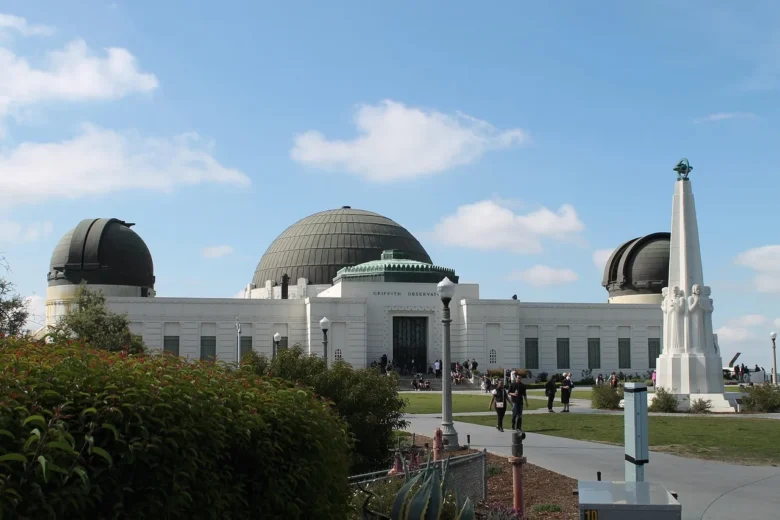
Around the world, several observatories stand out not only for their scientific achievements but also for the unique experiences they offer to the public. One of the most famous is the Griffith Observatory in Los Angeles, a cultural icon that combines free telescope access with engaging exhibits and a stunning view of the city. It is the perfect example of how science and culture can meet in one place.
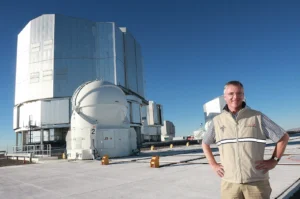
In Chile, Paranal Observatory and ALMA (Atacama Large Millimeter/submillimeter Array) represent the cutting edge of global astronomy. Paranal is home to the Very Large Telescope, while ALMA’s massive antenna array allows visitors to glimpse how astronomers study the formation of stars and galaxies. Both sites offer guided tours that immerse travelers in the desert’s unmatched night skies.
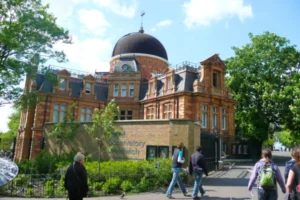
For those interested in history, the Royal Observatory in Greenwich (UK) is a must-see. Famous as the birthplace of Greenwich Mean Time and the Prime Meridian, it combines centuries of astronomical heritage with modern planetarium shows.
Finally, Hawaii’s Mauna Kea Observatories provide breathtaking stargazing opportunities, enriched by the cultural traditions of the local Hawaiian community. Together, these iconic sites illustrate the wide range of experiences—scientific, cultural, and inspirational—that observatories around the world can offer.
Practical Tips for Visitors
Planning a visit to an observatory requires some preparation to make the most of the experience. First, always check opening hours and tour availability in advance, as many observatories only open to the public on specific days or require reservations. For high-demand sites such as Paranal or Mauna Kea, booking months ahead may be necessary.
When packing, remember that many observatories are located at high altitudes or in remote deserts, where temperatures drop significantly after dark. Layered clothing, sturdy shoes, and even gloves or hats can make a big difference. A red flashlight is also highly recommended, as it allows you to move around safely without affecting your night vision—or disturbing others.
If you plan to engage in astrophotography, check the rules in advance, since some facilities restrict tripods or flashes. Binoculars and star charts are excellent tools to bring along as well, helping you identify constellations while waiting for telescope access.
Finally, always follow observatory etiquette: keep noise to a minimum, avoid using bright screens, and never touch delicate instruments without permission. By preparing carefully and respecting the rules, you’ll ensure that your visit is both comfortable and inspiring.
Conclusion
Astronomical observatories are much more than research centers—they are places where curiosity meets discovery, where amateurs, enthusiasts, and professionals can all find unique ways to connect with the cosmos. From public stargazing nights to immersive residencies and even professional-level research opportunities, observatories offer experiences that inspire people at every stage of their journey into astronomy.
Visiting iconic sites such as Griffith, Paranal, or Greenwich is not just about looking at stars through powerful telescopes. It is about stepping into a tradition of exploration that has spanned centuries, and feeling part of humanity’s collective effort to understand the universe. For amateurs, these visits may spark a lifelong passion; for professionals, they serve as reminders of why they chose the field in the first place.
Ultimately, observatories represent the idea that astronomy is for everyone. Whether you are an occasional stargazer, an enthusiast seeking deeper engagement, or a student dreaming of a career in science, observatories open doors to experiences that are both educational and transformative.
So, the next time you plan a trip, consider making it an astronomical journey. From amateur to professional, observatories around the world are ready to show you the universe in ways you will never forget.