Since the dawn of time, humanity has looked up at the night sky with a sense of awe and wonder. The stars, planets, and distant galaxies have inspired myths, guided travelers, and sparked the curiosity that eventually led us to explore the universe scientifically. Today, observatories around the world open their doors to the public, offering ordinary people the chance to experience this same sense of wonder in a much more direct way. Visiting an observatory is not just about looking through a telescope—it is about stepping into the world of astronomy, where science and imagination meet under the vast canvas of the cosmos.
In recent years, astrotourism has grown rapidly as more people search for meaningful travel experiences that connect them with nature and science. Observatories play a central role in this movement, providing opportunities to see celestial objects like Saturn’s rings, the craters of the Moon, or even distant nebulae with your own eyes. Beyond the view through the eyepiece, observatories often host lectures, exhibitions, and guided tours that reveal the fascinating history and ongoing discoveries of astronomy.
This article is a practical guide for anyone curious about planning a visit. Whether you are traveling to a world-famous observatory in Chile’s Atacama Desert or stopping by a smaller local facility near your hometown, the experience can be both educational and unforgettable. From choosing the right observatory to knowing what to bring and how to make the most of your night under the stars, this guide will help you prepare for a journey that goes from telescope to sky.
Why Visit an Observatory?
For many people, the night sky is something admired from a distance—twinkling stars glimpsed from a backyard or a city park. Yet an observatory transforms this casual stargazing into a powerful and immersive encounter. By visiting one, you gain the opportunity to see astronomical objects magnified in extraordinary detail. Imagine looking directly at the craters of the Moon, tracing the bands of Jupiter, or spotting the delicate glow of a star cluster millions of light-years away. These experiences can change the way you perceive your place in the universe.
Observatories are not just about looking through telescopes; they are also centers of learning. Many offer talks by astronomers, multimedia presentations, and interactive exhibits that explain cosmic phenomena in accessible ways. For families, this makes an observatory visit an educational outing that children and adults can enjoy together. For amateur astronomers, it is a chance to deepen knowledge and connect with experts in the field.
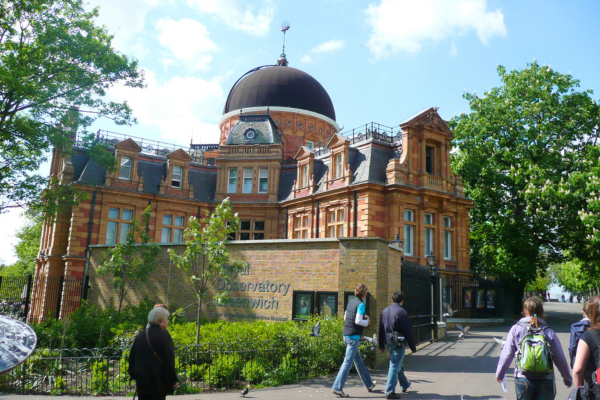
Another compelling reason to visit is the historical and cultural significance of observatories. Some facilities are landmarks in the story of scientific discovery, where groundbreaking research has taken place. Standing inside such a site can feel like stepping into history. Beyond science, observatories also foster a sense of wonder and inspiration that is hard to replicate elsewhere. Ultimately, visiting an observatory is about more than seeing the stars—it is about experiencing the blend of knowledge, history, and emotion that comes with exploring the cosmos up close.
Choosing the Right Observatory
When planning an observatory visit, one of the most important steps is deciding where to go. Observatories vary widely in size, location, and purpose. Some are large research centers with advanced telescopes used by professional astronomers, while others are smaller community observatories designed to welcome the public. Choosing the right one depends on your travel goals, level of interest, and accessibility.
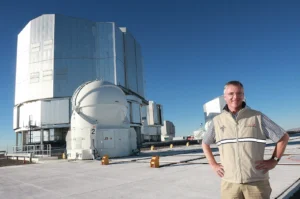
If you want a world-class experience, consider famous observatories such as Mauna Kea in Hawaii, Paranal Observatory in Chile, or Roque de los Muchachos in Spain’s Canary Islands. These locations offer breathtaking views of the night sky thanks to their remote settings and minimal light pollution. However, they often require advanced planning, permits, or guided tours. On the other hand, local observatories and planetariums are much easier to access. Though smaller in scale, they often provide more personalized experiences, with staff eager to explain celestial phenomena and answer questions.
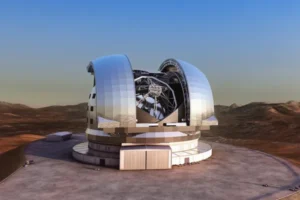
Another factor to consider is the type of telescope and the programs offered. Some observatories specialize in optical telescopes, while others focus on radio or solar observations. Many institutions also host star parties, astrophotography workshops, or themed nights aligned with special celestial events such as eclipses or meteor showers.
Ultimately, the “best” observatory is the one that matches your expectations. Whether you’re seeking an awe-inspiring, once-in-a-lifetime adventure or a simple evening of stargazing close to home, there is an observatory suited to your needs. A little research before your trip will ensure that your visit aligns with both your curiosity and your travel plans.
Planning Your Visit
Once you have chosen your observatory, proper planning can make the difference between a good experience and an extraordinary one. Timing is crucial. The best period for a visit is often during the dry season of the region, when skies are clear and stable. Nights with a new moon are ideal because the absence of moonlight allows fainter celestial objects to shine more brightly. If possible, align your trip with special astronomical events like planetary alignments, eclipses, or meteor showers.
It is also wise to check reservation policies in advance. Some observatories require bookings weeks or even months ahead, especially during peak seasons. Larger facilities may offer several types of tours—from daytime visits with solar telescopes to nighttime programs focused on deep-sky observation. Smaller observatories often have limited schedules, so planning around their availability is essential.
Tickets, guided tours, and extra activities such as exhibitions or workshops should also be factored into your plan. For families, verify if there are child-friendly programs available. For photographers, confirm whether the observatory allows astrophotography sessions and if any special equipment is permitted.
Lastly, prepare for the environment. Many observatories are located in high-altitude or remote regions, which means colder temperatures and limited services nearby. Bringing snacks, water, and appropriate clothing will keep you comfortable throughout the visit. By preparing carefully, you ensure that your time at the observatory will not only be convenient but also deeply rewarding. Planning ahead transforms your night under the stars into a seamless journey from telescope to sky.
What to Bring With You
Preparing the right items can greatly enhance your observatory visit. While most observatories provide the telescopes and equipment needed for stargazing, bringing a few personal essentials will make your experience more comfortable and memorable.
First, dress appropriately. Even in warm regions, observatories are often located at higher altitudes where temperatures drop significantly at night. A warm jacket, gloves, and a hat can make the difference between enjoying the view and feeling too cold to focus. Layering clothes is always a good strategy. Comfortable shoes are also important, as you may need to walk short distances between observation areas.
Second, consider bringing your own tools for enhancing the experience. Binoculars are lightweight and versatile, allowing you to explore wide sections of the sky while waiting your turn at the telescope. A notebook or star chart can help you record observations, sketch what you see, or track constellations. For those interested in astrophotography, a camera with manual settings and a tripod will allow you to capture stunning images of the night sky.
Don’t forget practical items as well. A red flashlight is essential for navigating in the dark without disturbing night vision—white light is often prohibited. Carrying water and snacks is also a good idea, especially if the observatory is in a remote area with limited services. Finally, bring curiosity and patience. Some objects may require time to locate, and the weather can be unpredictable. Being prepared ensures that your observatory visit will be comfortable, enjoyable, and unforgettable.
Observatory Etiquette
When visiting an observatory, respecting the rules and etiquette is crucial for both your experience and that of others. Because observatories are designed for sensitive scientific work and nighttime observation, even small disruptions can interfere with the event. Following some simple guidelines helps maintain an atmosphere of respect and wonder.
The most important rule is about light. Avoid using flashlights, phone screens, or camera flashes unless they are equipped with a red filter. Bright light destroys night vision, making it difficult for others to enjoy the stars. Similarly, avoid shining laser pointers or using bright devices near telescopes.
Noise levels should also be kept low. Many observatory visits include guided tours where astronomers explain celestial phenomena. Quiet listening not only shows respect but also allows everyone to learn. When using telescopes, never touch or adjust the equipment without permission. These instruments are delicate and precise, and mishandling can damage them or affect ongoing observations.
Another aspect of etiquette is punctuality. Arrive on time for tours or observation sessions, as late arrivals can disrupt the schedule. If photography is allowed, follow the observatory’s guidelines carefully. Some facilities prohibit tripods or limit exposure times to ensure everyone has a chance to use the equipment.
Lastly, show appreciation. Observatories often rely on donations, volunteers, or public support. Buying a ticket, leaving a small donation, or sharing your positive experience helps sustain their programs. Good etiquette ensures that your visit remains not only enjoyable but also contributes to preserving these spaces for future stargazers.
Enhancing the Experience
A visit to an observatory is already a unique adventure, but there are several ways to enrich the experience and make it even more memorable. One of the best approaches is to combine your observatory trip with other astrotourism activities. For example, many observatories are located in areas with exceptionally dark skies, making them perfect for camping or night hikes. Spending extra time outdoors allows you to appreciate the sky both through professional telescopes and with the naked eye.
Technology can also enhance your stargazing. Apps that identify constellations, track planets, or predict satellite passes can be used before and after your observatory session. They serve as a bridge between the guided experience and independent exploration, helping you recognize familiar patterns whenever you look up at the night sky.
If you are passionate about astronomy, consider joining a local astronomy club. These groups often organize star parties, workshops, and citizen science projects where enthusiasts contribute to real research. An observatory visit can be the perfect starting point for building connections with such communities.
Photography is another way to deepen your engagement. While astrophotography requires patience and practice, capturing even a simple image of the Milky Way can be rewarding. Many observatories offer workshops that guide beginners through the process.
In short, enhancing the experience means blending knowledge with adventure. By combining observatory visits with complementary activities, technology, and community involvement, you turn a single evening under the stars into the beginning of a lifelong journey with astronomy.
Conclusion
Visiting an observatory is more than just a tourist activity—it is a chance to reconnect with the universe in a profound way. From the moment you step inside, you are surrounded by instruments, history, and knowledge that bring the cosmos within reach. Whether you are gazing at Saturn’s rings, exploring the craters of the Moon, or simply marveling at the countless stars above, the experience leaves a lasting impression.
This guide has shown how to make the most of your visit: choosing the right observatory, planning ahead, bringing essential items, and following etiquette to ensure respect for both the equipment and fellow visitors. By preparing carefully and keeping an open mind, you can transform a night of stargazing into an unforgettable journey of discovery.
Beyond the practical aspects, observatories also remind us of something bigger. They symbolize humanity’s enduring curiosity and our shared desire to understand the universe. Each visit connects you not only with the stars but also with centuries of exploration and discovery.
So, whether you are traveling across the world to a renowned observatory or stopping by a smaller facility near your hometown, remember that the true gift lies in the perspective you gain. From telescope to sky, each moment under the stars is an invitation to wonder, learn, and dream.